Morning Dizziness: Essential Facts for Better Care
Morning dizziness can feel like spinning, unsteadiness, a head rush, or the sense that you may faint. The time of day is a useful detail, but it does not identify the cause. What happens before the episode, how long it lasts, and any accompanying symptoms are important parts of an assessment.This guide explains possible causes of morning dizziness, urgent warning signs, and practical questions to take to a clinician. It also explains when a balance assessment may help. A symptom description should guide a conversation about care, rather than become a diagnosis from an online article.
When Morning Dizziness Needs Urgent Medical Attention
Seek emergency care for new dizziness with trouble speaking, new weakness or numbness, double vision or loss of vision, chest pain, or an inability to stand or walk safely. Do not assume that a serious new symptom is harmless because it occurs after waking. Do not drive yourself while dizzy or experiencing these warning signs.Sudden hearing loss requires immediate medical assessment, including when you discover it on waking. It may occur with ear fullness or dizziness. The NIDCD information about sudden deafness explains why delaying assessment can matter. A routine balance appointment should not postpone urgent medical care.With morning dizziness, a severe new headache, repeated vomiting, fainting, or rapidly worsening symptoms also warrants prompt medical advice. Tell the service what is new and when it began. If you are unsure how to describe the sensation, start with the change in your ability to see, speak, move, hear, or remain upright.Describe whether the episode feels like spinning, faintness, or unsteadiness.
Important Facts About the Causes of Morning Dizziness
Position-Triggered Spinning Can Be Related to BPPV
Benign paroxysmal positional vertigo, or BPPV, can cause brief spinning episodes after certain head movements, such as rolling in bed. It involves displaced particles in the inner ear. A clinician uses the history and an appropriate positional examination to decide whether BPPV is the explanation.Morning dizziness when rolling over is worth describing precisely, but it is not proof of BPPV. Tell the clinician which movement starts an episode and whether you feel well between episodes. Do not use a symptom match to choose a home manoeuvre without appropriate assessment and advice.
Lightheadedness on Standing Can Have a Different Explanation
Postural, or orthostatic, hypotension is a drop in blood pressure associated with changing position, often when standing. It can cause dizziness, weakness, blurred vision, or fainting. The NHS guide to low blood pressure explains this pattern and advises assessment for recurring symptoms.Tell your clinician whether morning dizziness begins while you are still lying down, while sitting up, or only after standing. These situations are not interchangeable. If you have home measurements already recorded as part of your care, bring them, but do not repeatedly provoke symptoms to collect more readings.
Hydration and Other Medical Factors May Contribute
Dehydration and other medical problems can cause dizziness. Low blood sugar can also be relevant, particularly for people with diabetes. These possibilities should be considered in the context of your health, medicines, and symptoms. Do not assume that every episode of morning dizziness can be explained by not drinking enough water.If you have a prescribed fluid restriction or a diabetes management plan, follow your treating professional’s advice rather than a general recommendation online. Explain any recent illness or change in eating and drinking. Ask whether medical review is needed before arranging a specialist balance test.
Medication Review Can Be Part of the Assessment
Some medicines can contribute to dizziness or blood-pressure changes. If morning dizziness began after a medicine or dose changed, mention the timing to the prescriber or pharmacist. Bring a complete list, including non-prescription medicines and supplements, so the discussion is based on what you actually take.Do not stop, skip, or change a prescribed medicine on your own. Ask whether a review is appropriate and what to do if symptoms happen again. The aim is to investigate a possible contribution safely, not to decide from a list of side effects that a particular medicine must be responsible.
Morning Timing Alone Does Not Establish Inner Ear Dizziness
The phrase “inner ear dizziness” is often used informally for vestibular symptoms. However, morning dizziness can have vestibular and non-vestibular explanations. A normal transition from lying to standing should not automatically be described as a weak balance system or an inner-ear “reset” problem.Sleep concerns also deserve their own assessment. Loud snoring, breathing pauses, marked daytime tiredness, and waking headaches are reasons to discuss possible sleep apnoea with a clinician. The NHS sleep apnoea overview describes these symptoms. Their presence does not, by itself, explain morning dizziness.
How to Record a Typical Morning Dizziness Episode
A brief record can make an appointment more useful. Choose one or two typical episodes and write a few sentences about them. You do not need a diary covering every minute, a medical vocabulary, or a theory about the cause. Keep the description focused on what happened and what you could not do.Start with the sequence. Did you wake already feeling movement, roll to one side, sit up, stand, or begin walking before symptoms started? For morning dizziness, the sequence is often more informative than saying only that mornings are difficult. Mention whether the same pattern happens later in the day.
Describe the sensation in your own words.
Record when the episode began and roughly how long it lasted.
Note the movement or situation immediately before it.
List associated symptoms and any fall or near-fall.
Explain whether you returned to your usual state afterwards.
Describe the activity interrupted by the episode.
Bring the record as a conversation aid. If you cannot remember an exact duration, give your best estimate and say it is approximate. Do not try to make morning dizziness happen again to create a better description. A family member’s observation may help, especially if you needed assistance during the episode.
Separate a New Symptom From a Familiar Pattern
If you have experienced morning dizziness before, explain whether the current episode is different. A change in duration, severity, associated symptoms, or ability to walk may be more relevant than the familiar label. Tell the clinician about the change even if a previous episode had a reassuring explanation.Bring earlier reports when available and explain what treatment was recommended. Note what improved, what continued, and whether you completed any follow-up. That helps the next professional understand the history without assuming that every episode has the same cause.If a new warning sign appears, seek appropriate medical care rather than waiting to discuss the whole diary at a scheduled visit. A written record is helpful preparation, but it should never become a reason to delay assessment of an urgent change.Ask which assessment is appropriate for your symptom pattern.
When a Balance Assessment May Help
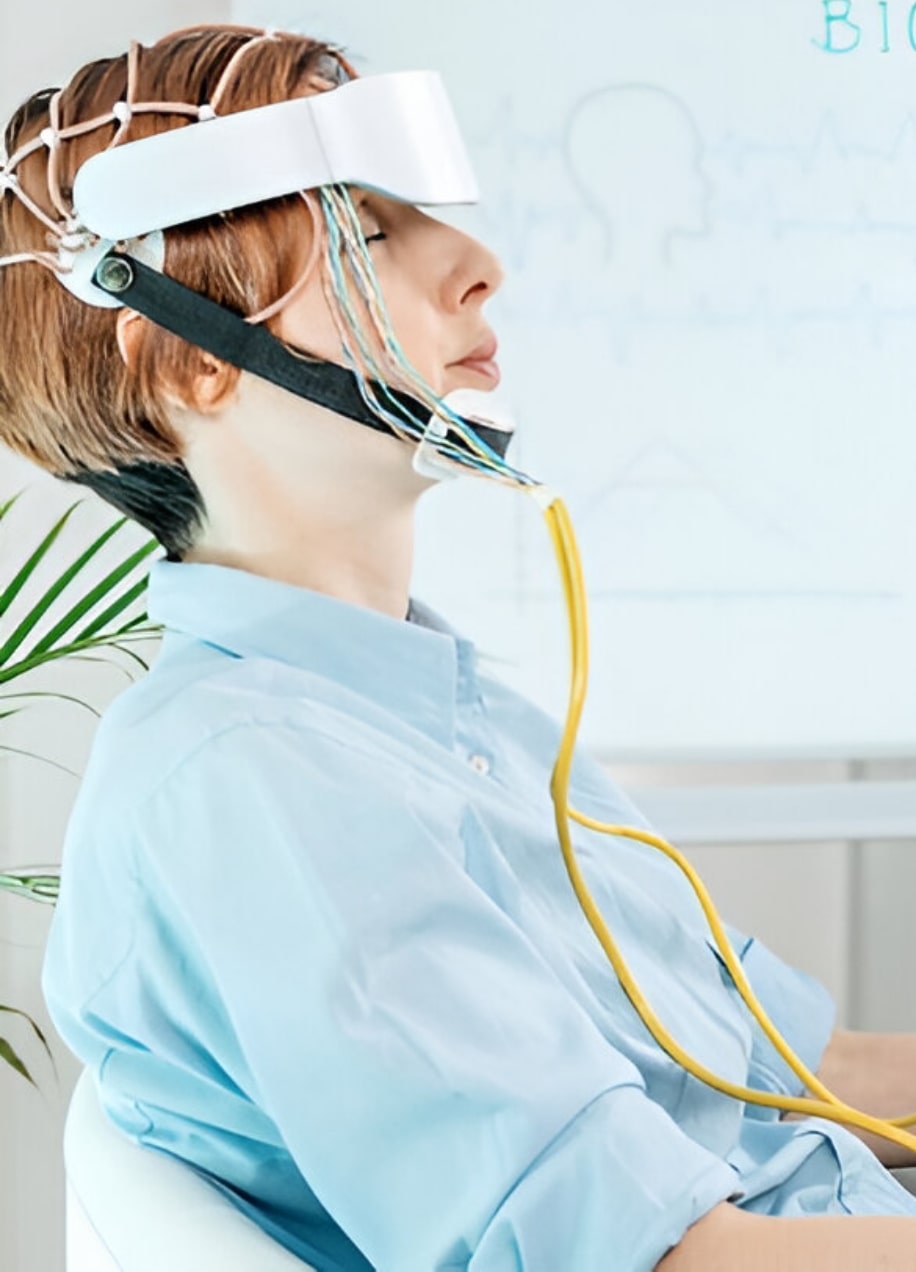
Persistent or recurring morning dizziness, falls, head-movement symptoms, or associated hearing concerns may justify a discussion about assessment. Your primary care provider can consider general medical explanations and advise on an appropriate referral. A vestibular assessment may be useful when the clinical question concerns inner-ear balance function.Different tests examine different responses, such as eye movements or balance during movement. Not every person needs every test. Ask what the proposed appointment is intended to investigate and whether another assessment should come first. Morning dizziness is a symptom pattern, not the name of a single test or treatment.The NIDCD balance disorders guide provides background on the balance network. At Novasound, ask about vestibular testing and treatment services, current availability, and whether the clinic is an appropriate starting point for your concern.Vestibular testing is selected when it can answer a relevant clinical question.
Preparing for an Appointment About Morning Dizziness
Ask for the clinic’s current preparation instructions. Different assessments can have different requirements, so do not use an old sheet or instructions from an unrelated appointment. If you receive advice about medicines, check how it applies to your own prescription with the appropriate professional before making a change.Bring your symptom summary, medication list, relevant reports, and the questions you most want answered. If morning dizziness makes travel difficult, ask about timing and access arrangements. Mention neck or back limitations, mobility needs, or concerns about positions used during an examination.Confirm how long to allow and whether arranging someone to accompany you is sensible. Ask about current fees, whether a referral is needed, and how results are communicated. If you hope to use insurance or benefits, confirm the coverage and documentation requirements directly with your provider.Ask how the results relate to your history and next steps.
Questions to Ask About Morning Dizziness
A useful appointment should leave you with a clearer explanation and a plan. You may not receive a final diagnosis immediately, especially if further information is needed. Ask what has been learned so far and what remains uncertain, rather than assuming that uncertainty means nothing can be done.
Which findings support the explanation being considered?
Could a medicine or general medical issue be contributing?
Would vestibular testing answer a specific question in my case?
What should I do if the symptoms recur or change?
Who will organize any referral or follow-up?
When should the plan be reviewed if I am not improving?
For morning dizziness, ask how the proposed plan relates to the actual task that troubles you: getting out of bed, walking to the bathroom, or starting work. Concrete examples make it easier to discuss practical needs. Write down the agreed next step and the person you should contact if you have questions afterwards.
Understanding What Results Can and Cannot Show
A reassuring result is valuable information about the question that was tested. It does not automatically explain every possible cause of morning dizziness. Ask which function was examined, whether the result fits the symptom history, and what should happen if the problem continues.If several explanations remain possible, ask how they will be distinguished. Further medical review, a different assessment, or follow-up may be recommended. Keep copies of reports and bring them to future visits so each professional can build on the work already completed.Do not interpret a technical number by comparing it with another person’s report online. Equipment, test methods, and clinical context matter. Ask the professional responsible for the assessment to explain the important findings and their practical meaning for your own care.
A Safer Routine While Seeking Advice
While dizzy, avoid driving, ladders, and dangerous machinery. Move carefully, and sit or lie down if you feel at risk of falling. Rise slowly rather than rushing from bed into an activity. If symptoms keep returning, arrange medical advice instead of relying indefinitely on changes to your routine.The NHS dizziness guidance describes general precautions. Those measures do not diagnose or treat every cause of morning dizziness. Ask for individual advice if you have other health conditions or have already been given a specific care plan.Think about practical support without assuming a permanent limitation. You might need help getting to an appointment or a discussion about work tasks while the cause is being investigated. Explain the task and setting to the professional advising you; a general article cannot determine whether a particular activity is safe for you.
A Simple Appointment Summary You Can Adapt
Before a visit, complete this short outline in your own words: “The problem began around ____. It happens when ____. An episode usually lasts about ____. Between episodes I feel ____. The activity I find hardest is ____.” If you do not know an answer, leave it open rather than guessing.Add one line about your main concern. For example, you may want to know whether a referral is appropriate, whether a medicine should be reviewed, or what to do if an episode returns. These are questions for the clinician, not conclusions you need to reach before the appointment.If someone attends with you, discuss what you would like them to help explain. They can describe what they observed without speaking over your own experience. Tell the clinician if hearing, language, fatigue, or anxiety makes communication difficult so the conversation can be adapted.At the end of the visit, repeat the plan back in your own words and check that you understood it. Record the next action, any preparation instructions, and who will contact whom. This small step can prevent confusion between an assessment recommendation, a referral request, and a confirmed appointment.
Morning Dizziness: Frequently Asked Questions
Is Morning Dizziness Normal?
An occasional brief episode can have a relatively simple explanation, but recurring, worsening, or disruptive symptoms should be assessed. Do not use the time of day as reassurance by itself. Seek urgent care for warning signs, and describe any new change rather than treating every episode as the same familiar problem.
Does Morning Dizziness Mean I Have BPPV?
No. Position-triggered spinning can be consistent with BPPV, but the history and examination are needed to evaluate that possibility. Tell the clinician whether rolling, sitting, or standing starts the episode. Avoid selecting a treatment manoeuvre solely because an online description seems similar to your experience.
Should I Drink More Water to Stop Morning Dizziness?
Dehydration can contribute to dizziness, but water is not a universal answer. Follow any medical advice about fluid intake, especially if you have a fluid restriction. If the symptoms persist, recur, or include warning signs, seek assessment instead of assuming that drinking more will address the underlying issue.
Should I Stop a Medicine if Morning Dizziness Started Recently?
No. Contact the prescriber or pharmacist to discuss a possible link. Explain when the medicine or dose changed and when symptoms started. Bring the full list of products you take. A safe review considers the reason for treatment as well as possible side effects and alternatives.
Can Poor Sleep Explain Morning Dizziness?
Sleep symptoms should be discussed, but they do not automatically establish the cause of dizziness. Mention loud snoring, witnessed breathing pauses, daytime sleepiness, or waking headaches. Ask whether a sleep assessment is appropriate while the balance complaint is evaluated on its own merits.
Do I Need Vestibular Testing for Every Episode?
No. The choice of assessment depends on the history, examination, and question being investigated. Morning dizziness associated with standing may require a different initial approach from position-triggered spinning in bed. Ask why a test is proposed and how its result would change the plan.
What if Morning Dizziness Continues After Treatment?
Tell the treating professional what has changed and what has not. Ask when the explanation or treatment plan should be reconsidered and whether another referral is appropriate. Do not repeatedly add exercises or home remedies without discussing whether they fit the current assessment.
Can I Book a Morning Dizziness Assessment in Halifax?
Contact Novasound to describe your concern and ask about suitable appointments. Confirm the current services, fees, preparation, and referral arrangements. For emergency symptoms or sudden hearing loss, seek immediate medical care rather than waiting for a routine booking.
Further Reading and Next Steps
You can read about the vestibular system and balance or questions about dizziness diagnosis before your visit. Use these resources to prepare questions, not to confirm a diagnosis. A clear account of morning dizziness and an agreed follow-up plan are more useful than a collection of labels.Ready to take the next step?