
Dizziness Misdiagnosis: Essential Steps to Better Care
Concern about dizziness misdiagnosis can arise when symptoms persist, explanations change, or a previous treatment has not helped. That concern deserves a clear conversation. However, ongoing dizziness does not by itself prove that a clinician made an error, and more testing is not automatically the right answer for every patient.
Dizziness can have vestibular, neurological, cardiovascular, medication-related, and other explanations. The useful question is which explanation fits the history and examination, what has been assessed, and what should happen next. This guide offers seven practical steps for discussing dizziness misdiagnosis without trying to diagnose yourself or promising that one test will provide every answer.
Urgent Symptoms Come Before a Routine Diagnosis Review
New dizziness with trouble speaking, new weakness or numbness, double vision or loss of vision, chest pain, or inability to stand or walk safely needs emergency medical attention. Do not wait for a routine appointment about dizziness misdiagnosis if new warning signs appear. Do not drive yourself while dizzy or experiencing those symptoms.
Sudden hearing loss also requires immediate medical assessment. It may be noticed on waking or occur with ear fullness and dizziness. The NIDCD guide to sudden deafness explains why prompt care matters. A previous reassuring assessment should not be used to dismiss a new hearing change.
A severe new headache, fainting, repeated vomiting, or rapidly worsening symptoms also warrants prompt medical advice. Explain what changed and when it began. Reviewing old reports can be useful later, but urgent symptoms take priority over deciding whether the earlier explanation was correct.
Describe Timing and Triggers, Not Only the Word “Dizzy”
People use “dizzy” for spinning, rocking, faintness, and unsteadiness. Describe the sensation, but also explain when it started, whether it is continuous or episodic, and whether a specific action starts an episode. These details are important when discussing concern about dizziness misdiagnosis.
The SAEM GRACE-3 guideline on acute dizziness emphasizes timing and triggers in the emergency assessment of adults. It is a clinical guideline for trained professionals, not a self-test. Its practical message for patients is to bring a clear account of the pattern rather than rely only on the label “vertigo.”
For a dizziness misdiagnosis discussion, explain whether symptoms began while still, after a head movement, after standing, or without a clear trigger. Note whether you returned to your usual state between episodes. If a movement merely makes ongoing dizziness worse, describe that separately from a movement that starts a new episode.
You do not need precise medical language or an exact stopwatch measurement. Give your best estimate and say when you are uncertain. Ask a support person to describe what they observed if you needed help during an episode, while keeping your own account central to the discussion.

Ask What Supports the Current Explanation
A useful response to concern about dizziness misdiagnosis is to ask which findings support the working diagnosis. Was the explanation based on the history, examination, test results, or a combination? What other possibilities were considered, and what would prompt the clinician to reconsider?
Ask whether the diagnosis is confirmed, likely, or provisional. Those terms communicate different levels of certainty. A provisional diagnosis can be part of a careful assessment when information is incomplete. The important issue is whether there is an understandable plan for checking progress or obtaining further information.
When discussing dizziness misdiagnosis, avoid assuming that different wording in two reports always means the professionals disagree. One report may describe a symptom, another a test finding, and another a possible cause. Ask someone responsible for your care to explain how the descriptions relate to one another.
Write down your unanswered questions before the visit. Lead with the concern that affects your next decision, such as whether a referral is needed or whether the plan should change. You do not have to challenge every technical detail to ask for a clearer explanation of your care.
Recognize Overlap Between the Causes of Dizziness
Similar symptoms can occur in different conditions, and more than one factor can be present. Inner-ear disorders, migraine, blood-pressure changes, medicines, and other health problems may need consideration. Dizziness misdiagnosis cannot be established by comparing one symptom with a list on a website.
The NIDCD overview of balance disorders describes several possible causes and the balance network. It is background information for a conversation, not a way to decide which condition you have. Ask which features of your own history make a possibility more or less likely.
Be cautious with claims that anxiety and dizziness work in only one direction. Anxiety may accompany dizziness, and it can also be relevant to how symptoms are experienced. A concern about dizziness misdiagnosis should be taken seriously without assuming that either anxiety or an inner-ear explanation accounts for every symptom.
If you feel that part of your history was overlooked, name it specifically. For example, mention a new hearing change, a medicine change, a fall, or symptoms after standing. Concrete details are easier to evaluate than the general statement that every earlier appointment missed something.
Understand the Role and Limits of Vestibular Testing
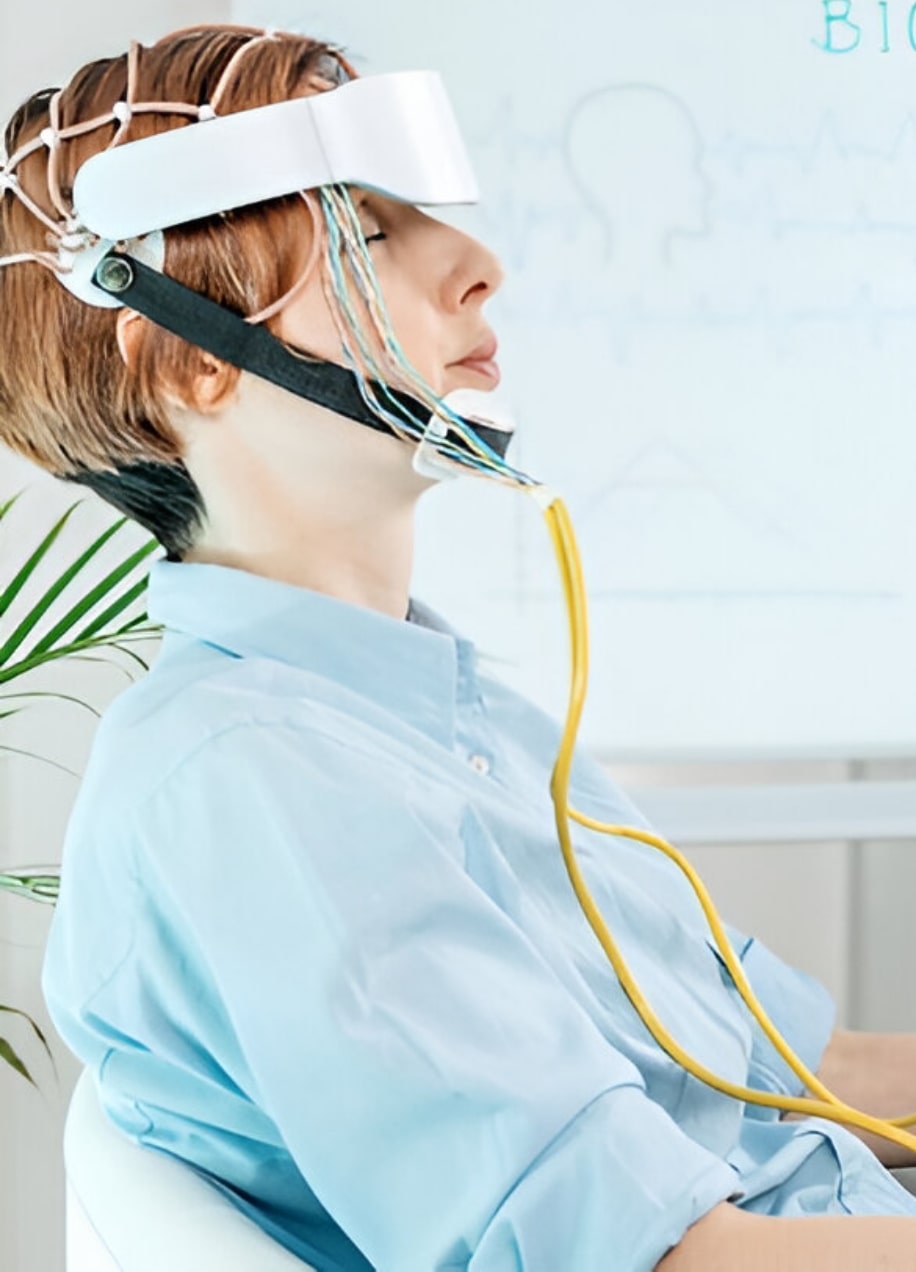
Vestibular testing can provide useful information when an assessment raises a question about inner-ear balance function. Depending on the test, it may examine eye movements, responses to head movement or sound, or balance performance. Not every test is appropriate for every patient or every cause of dizziness.
MedlinePlus describes common balance tests. Ask which question the proposed test will address, how results are interpreted, and whether the finding would change the plan. Adding equipment alone does not guarantee that dizziness misdiagnosis will be prevented or that a final diagnosis will be reached.
Some conditions are assessed mainly through the history and clinical examination. A routine balance test does not replace emergency evaluation for possible stroke or other urgent problems. Specialized bedside examinations also require training and the right clinical context; they should not be attempted as home screening tests.
If a test is normal, ask what that result does and does not exclude. A normal result can be reassuring about the function tested while leaving other questions open. For a dizziness misdiagnosis review, the goal is to connect findings to the whole story rather than treat any single result as the complete explanation.
Bring a Clear Treatment and Medication History
For a discussion about dizziness misdiagnosis, summarize what has already been tried, why it was recommended, and what happened afterwards. Include medicines, repositioning treatment, rehabilitation, and other advice where relevant. A short timeline is easier to use than a long list without dates or outcomes.
Bring a current medication list, including non-prescription products and supplements. Mention when a medicine or dose changed. Do not stop or alter prescribed treatment on your own because you suspect a link with dizziness. Ask the prescriber or pharmacist how a safe review should be arranged.
A treatment that has not helped is a reason to discuss the plan, but it does not automatically prove dizziness misdiagnosis. Ask what response was expected, over what time frame, and when reassessment is appropriate. Explain whether you were able to follow the plan and whether any part was unclear or difficult.
Be specific about changes. “I can now walk around the house more comfortably, but turning in bed still causes symptoms” is more informative than simply saying that treatment worked or failed. Practical examples help the clinician decide what has improved and what still requires explanation.

Clarify Who Should Assess the Remaining Questions
Different professionals contribute different expertise. Primary care, audiology, ENT, neurology, physiotherapy, and other services may be involved depending on the history and findings. Dizziness misdiagnosis concerns are best addressed by matching the unresolved question with an appropriate professional, rather than assuming one clinic can investigate every cause.
Ask what a referral is intended to establish. Is the question about hearing, inner-ear balance function, migraine, neurological findings, blood pressure, or rehabilitation? Clarify whether the referral is urgent or routine and who is responsible for arranging it. Seek urgent care for new warning signs rather than waiting for the routine pathway.
If you request another opinion about possible dizziness misdiagnosis, bring previous reports and explain what remains unanswered. A second opinion is more useful when it can build on the earlier history. It does not need to begin with an assumption that the previous clinician was careless or that every test must be repeated.
Before booking, confirm that the service addresses the concern you have. Ask about referral requirements, current fees, preparation, and report sharing. If you expect benefits or insurance to cover the visit, check the coverage and documentation requirements with the provider rather than relying on another patient’s experience.
Agree on a Follow-Up Plan and Review Point
A clear follow-up plan is especially important when you are worried about dizziness misdiagnosis. Ask what should happen next, who will organize it, and when the explanation or treatment should be reviewed. If the diagnosis remains uncertain, ask what information would help resolve that uncertainty.
Know which symptoms should prompt earlier contact and which require emergency assessment. Clarify whom to call with routine questions and what to do if a referral has not arrived. A plan is easier to follow when responsibilities and time frames are explicit rather than implied.
At review, describe the course since the last visit. Include changes in daily function, falls, new symptoms, and any difficulties following treatment. Dizziness misdiagnosis is not resolved by a label alone; the explanation should remain consistent with the clinical picture as more information becomes available.
Keep a copy of the agreed plan and any reports. If you attend several services, ask how the information will be shared. This can reduce confusion about whether an appointment is for assessment, treatment, or follow-up and whether another professional is expected to act on the report.
A Practical Summary for a Diagnosis Review
Use the following outline to prepare for a conversation about dizziness misdiagnosis. Complete it in ordinary language and leave uncertain points open. The aim is a clear handover of your experience, not an argument that you have already identified the correct condition.
- My main symptom and when it first began.
- Whether symptoms are continuous or come in episodes.
- What starts an episode and what makes ongoing symptoms worse.
- Associated hearing, vision, headache, fainting, or movement symptoms.
- Tests and treatments already completed, with the main results.
- The daily activity that remains most difficult.
- The specific question I want this appointment to answer.
If a support person attends, explain what help you would like. They might help recall the timeline, communicate observations, or write down the plan. Ask the clinician to address you directly and to explain unfamiliar terms. A dizziness misdiagnosis discussion should remain collaborative and understandable.
After the Appointment: Check Your Understanding
Repeat the main explanation and next step in your own words before leaving. Confirm whether a test is recommended, ordered, or already booked; those are different stages. Ask whether you should expect a call, arrange an appointment yourself, or return to the referring professional with a report.
If you receive written instructions, ask which points apply immediately and which depend on future results. Do not combine several treatment plans without checking that they are compatible. A brief clarification can prevent misunderstanding that later looks like a failure of treatment or a missed follow-up.
If you remain concerned about dizziness misdiagnosis, identify the unresolved question rather than simply collecting more reports. Ask who is best placed to address it. Keep a record of the answer, and seek appropriate medical care if the symptom pattern changes or urgent warning signs appear.
Organize Reports So the Next Visit Can Build on Them
Put previous reports in date order and add a short note identifying the main finding, who reviewed it with you, and what action followed. If a report is missing, say so and ask how it can be requested. Do not try to recreate technical measurements from memory.
Separate your own observations from the wording in a report. For example, note both what the clinician explained and what you noticed afterwards. If those seem inconsistent, make that the question for the next visit rather than deciding which account must be wrong.
When a new professional joins your care, ask whether they have received the relevant information. A referral and a complete transfer of records are not always the same event. Confirm where a new report will be sent and keep a copy when available so you can follow the agreed plan.

Dizziness Misdiagnosis: Frequently Asked Questions
Does Persistent Dizziness Prove a Misdiagnosis?
No. Persistent symptoms can occur for several reasons, including an incomplete explanation or a plan that needs review. Dizziness misdiagnosis is one possibility to discuss, not a conclusion established by symptom duration alone. Ask what the current findings support and when reassessment is appropriate.
Can Vestibular Testing Identify Every Cause of Dizziness?
No. Tests address particular functions and are interpreted alongside the history and examination. Some causes of dizziness require other medical assessments. Ask which question a test answers and what the next step would be for either a normal or abnormal result.
Does a Normal Scan or Test Mean Nothing Is Wrong?
A normal result provides information about what was examined; it does not automatically account for every symptom. Ask the clinician to explain the scope of the result. If symptoms continue or change, discuss follow-up rather than assuming either that everything has been excluded or that the test was useless.
What if I Was Told My Dizziness Is Anxiety?
Ask how that explanation was reached and whether other relevant findings were considered. Anxiety and dizziness can interact, so neither should be dismissed. If you are concerned about dizziness misdiagnosis, explain the specific symptoms or changes that you feel have not been addressed and request a clear review plan.
Should Everyone With Dizziness Request an ENT or Neurology Referral?
No. The appropriate referral depends on symptoms, examination findings, and the unresolved clinical question. Ask your treating professional which service is suitable. New emergency warning signs require urgent care rather than a routine specialist booking, even if a referral is already pending.
Should I Stop Treatment Before Seeking Another Opinion?
Do not change prescribed medicines or treatment solely because you are worried about dizziness misdiagnosis. Contact the professional responsible for the plan to discuss your concerns. Bring the treatment details and any side effects or difficulties to the review so that changes can be considered safely.
How Can Novasound Help With a Dizziness Misdiagnosis Concern?
Contact Novasound to ask whether a vestibular assessment is appropriate for the question you want answered. Confirm current services and preparation. An assessment may inform care and referrals, but it should not be presented as a guarantee of a final diagnosis or recovery.
Further Reading and Booking
For background, read Novasound’s guide to the vestibular system and its article about morning dizziness. Use them to prepare questions. A concern about dizziness misdiagnosis is best addressed through a careful history, appropriate assessment, and an understandable follow-up plan.
Book Appointment
Ready to take the next step?
Novasound Hearing & Balance Center
#22, 2625 Joseph Howe Drive, Halifax, NS
Phone: 902-444-7788

