
Earwax Removal
When to Remove It and When to Leave It Alone
Earwax, or cerumen, is often misunderstood. Many people think of it as something dirty that should be removed frequently, but in reality, earwax plays an essential role in keeping your ears healthy.
At Novasound Hearing & Balance Center, we help patients safely manage their earwax to maintain optimal ear health. In this post, we’ll explore what earwax does, when it becomes a problem, and the safest ways to remove it.
What Is Earwax and Why Is It Important?
Earwax is a natural substance produced by glands in your ear canal. It serves several important functions:
- Protection – It traps dust, dirt, and bacteria, preventing them from reaching deeper into your ear.
- Lubrication – It keeps your ear canal from becoming dry and irritated.
- Self-cleaning – Earwax gradually moves outward, carrying debris with it before naturally flaking away.
When Does Earwax Become a Problem?
In most cases, earwax does not need to be removed. However, some people experience excessive buildup, which can lead to:
- Tinnitus – A blockage can sometimes lead to ringing or buzzing sounds.
- Hearing loss – Blocked ear canals can reduce your ability to hear clearly.
- Ear pain or pressure – Excess wax can cause discomfort or even dizziness.
You may need professional earwax removal if you experience any of these symptoms.

What Not to Do: The Risks of Cotton Swabs
Many people use cotton swabs or Q-tips to clean their ears, but this can actually push wax deeper into the ear canal, leading to impaction.
For further patient information, read the NHS guide to earwax buildup and safe ear care.
Other unsafe methods include:
- Using sharp objects – This can damage the delicate skin in the ear canal.
- Ear candles – These have been proven ineffective and can cause burns or injury.
Safe and Professional Earwax Removal Options
At Novasound Hearing & Balance Center, we offer safe, professional earwax removal using:
- Irrigation – A gentle flushing with warm water.
- Microsuction – A method using controlled suction to remove wax.
- Manual removal – Using specialized tools under magnification.

When to See a Professional
If you’re experiencing discomfort, hearing loss, or frequent wax buildup, it is best to seek professional help.
We provide professional earwax removal in Halifax, with an approach selected after assessing your ears.
Who Is More Likely to Experience Earwax Buildup?
While earwax is a natural and healthy part of ear function, some individuals are more prone to excessive buildup than others.
People who wear hearing aids or earbuds regularly may experience increased accumulation because these devices can prevent natural wax migration out of the ear canal. Similarly, individuals with narrow or uniquely shaped ear canals may notice frequent blockages.
Age can also play a role. As we get older, earwax can become drier and harder, making it more difficult for the ear’s self-cleaning process to work effectively.
This may increase the likelihood of impaction and associated symptoms such as hearing reduction or discomfort.
Additionally, certain habits — like frequent use of cotton swabs or inserting objects into the ear — can unintentionally push wax deeper into the canal, creating compacted buildup that requires professional removal.
How Professional Earwax Removal Improves Hearing Health
Professional earwax removal is not only about comfort but also about protecting long-term hearing health.
Removing impacted wax allows sound to travel clearly through the ear canal and reduces strain on hearing devices or amplification systems. Audiologists use specialized techniques designed to minimize risk and ensure safe outcomes.
Regular ear health checkups can help identify wax buildup early before symptoms worsen. Many patients find that routine monitoring prevents sudden hearing changes and improves overall ear hygiene without the need for risky at-home cleaning methods.
Planning Earwax Removal: A Practical Patient Guide
The seven facts above explain the basics. The following sections help you turn that information into a sensible plan: decide what to ask, prepare for an assessment, compare the options with your clinician, and know when further care is needed. Earwax removal should start with understanding the problem rather than choosing a tool or product first.
Why an Ear Examination Comes First
A blocked sensation does not prove that wax is responsible. Fluid, irritation, infection, and other hearing conditions can produce overlapping symptoms. An examination allows a professional to check the canal and decide whether there is enough wax to explain the difficulty. If wax prevents a necessary examination, that can also be a reason to address it.
Tell the clinician whether the change affects one ear or both, when it began, and whether it fluctuates. Describe what you notice in ordinary situations: telephone calls, conversations, television, or hearing aid use. These examples are often clearer than simply saying that the ear feels different.
Before agreeing to earwax removal, ask what the examination showed. Is wax actually blocking the canal? Is the eardrum visible? Is there another finding that needs medical review? The aim is an explanation and an appropriate next step, not automatically removing every trace of normal wax.
When a Blocked Ear Needs Urgent Medical Attention
Sudden hearing loss is a medical emergency. Do not assume that a rapid loss of hearing, especially in one ear, is just wax, even if the ear also feels full. Seek immediate medical assessment rather than waiting for drops to work or for a routine earwax removal appointment. The NIDCD explanation of sudden deafness describes why prompt assessment matters.
Ear drainage, bleeding, significant pain, or new symptoms also deserve medical attention. A wax-cleaning visit is not a substitute for evaluating these problems. Describe the symptoms when arranging care so the service can tell you whether its appointment is appropriate or whether you need a different setting.
If you are uncertain how quickly the change happened, explain your best estimate. For example, mention whether you woke with the change or first noticed it during a call. Do not delay seeking help while trying to produce a perfect symptom history.
Comparing Professional Earwax Removal Methods
Common approaches include softening the wax, irrigation, suction, and removal with instruments. The right choice depends on the examination, the wax, and your ear and medical history. There is no single technique that is automatically the best choice for every patient. The ENT Health overview of cerumen impaction explains the main treatment approaches.
For an earwax removal discussion, ask the clinician to explain the proposed method in everyday language. What will be placed near or inside the canal? What might you hear or feel? What alternatives are reasonable? What would make the clinician stop or change the approach? Understanding the process makes it easier to speak up during care.
Mention previous ear surgery, eardrum perforation, ventilation tubes, diabetes, immune problems, and skin conditions affecting the canal. These details can change which options are suitable. Never assume that a method is safe for you because a friend used it successfully. Individual assessment matters more than online comparisons of equipment.
Questions to Ask Before Using Ear Drops
Some products are intended to soften earwax, but choosing a product should include checking whether it is suitable for your ears. A pharmacist or clinician can help you interpret the label and decide whether a home approach is appropriate. Do not use drops if you have a perforated eardrum unless your treating professional specifically advises otherwise.
Before combining a home product with planned earwax removal, ask whether the clinic wants you to use anything beforehand. Explain what you have already tried, including the name of the product, how long you used it, and whether symptoms changed. Bring the packaging or a photograph of its label if you cannot remember the details.
Do not keep repeating a home treatment simply because you still feel blocked. Persistent symptoms need reassessment. Ask for a clear next step and a time frame for contacting a professional again. Avoid inserting objects into the canal to check whether the product has worked; that can push wax inward or injure the ear.
Your Earwax Removal Appointment Checklist
A little preparation can make the conversation more useful. You do not need a technical description of your ears. A short written list of concerns is enough. Put your main question at the top, especially if hearing difficulty makes appointments tiring or you are worried that you may forget something.
- Write down when the blocked feeling or hearing change began.
- Note whether one or both ears are affected and any associated symptoms.
- List previous ear procedures and relevant health conditions.
- Record drops, cleaning tools, or home remedies already used.
- Bring hearing aids if you use them and explain any recent change in their performance.
- Ask about assessment fees, treatment fees, and follow-up arrangements before the visit.
When booking earwax removal, ask whether the quoted visit includes the examination and whether there may be a separate charge if treatment is not appropriate or cannot be completed. Confirm practical details directly with the clinic rather than relying on an old price or someone else’s experience. If communication support would help, mention that when arranging the appointment.
Taking Part in the Treatment Decision
You can ask questions before earwax removal begins and at any point during the visit. Tell the clinician if you are anxious about sound, movement, or a previous difficult ear procedure. Agree on a simple way to signal that you need a pause. You should not feel that you must stay silent to help the appointment finish quickly.
Ask what the expected outcome is for your particular situation. Is the aim to clear a blockage, make examination possible, or help investigate a symptom? These are related goals, but they are not identical. A clear goal also makes it easier to understand what has and has not been achieved afterwards.
If the clinician recommends delaying treatment, using a different method, or referring you elsewhere, ask for the reason and the next step. A referral or staged approach does not mean the appointment was wasted. It may provide a more suitable path for your ears. Keep any written instructions so that another professional can understand what was recommended.
After Earwax Removal: Checking the Result
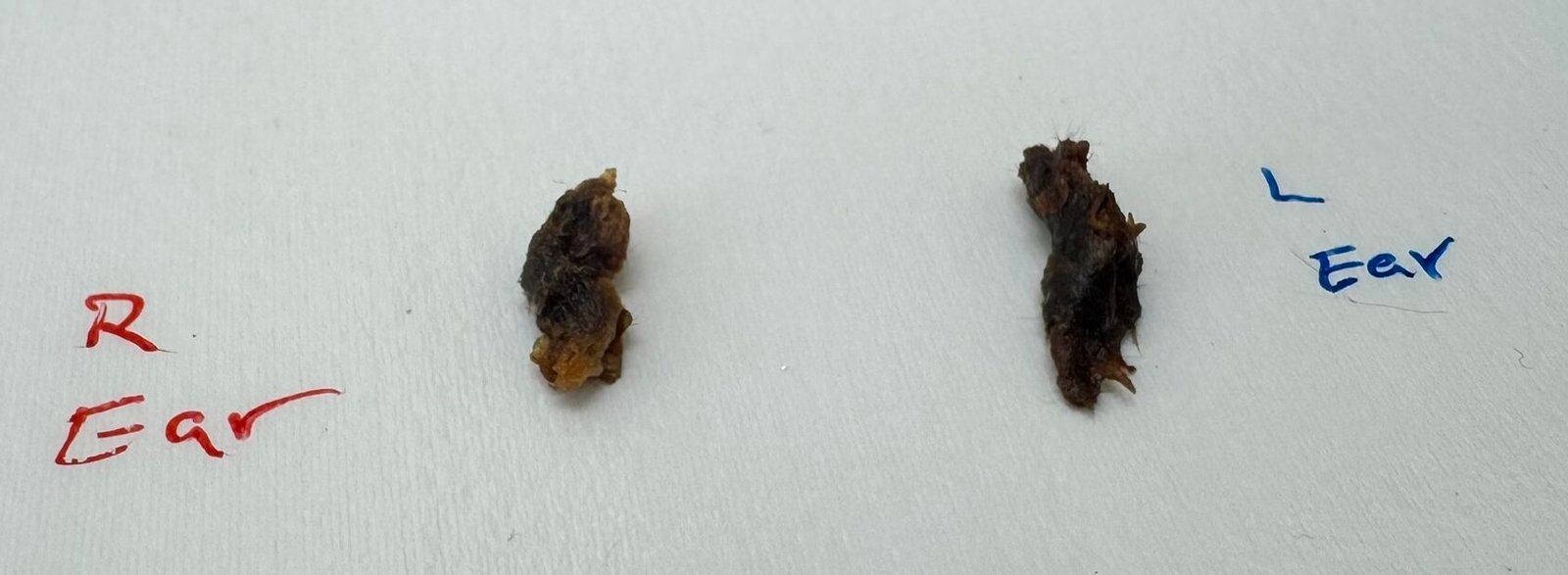
Before leaving, ask what the final examination showed and whether further treatment is needed. Professional earwax removal is not complete simply because some wax has come out; the clinician should also consider the remaining blockage and your symptoms. If the canal is clear but hearing difficulty continues, another explanation may need to be investigated.
Notice whether the original concern has improved: conversations, the blocked feeling, or the way a hearing aid sounds. Share persistent problems rather than assuming that you need another cleaning. MedlinePlus information about earwax advises contacting a provider for ongoing hearing loss after wax cleaning, or new symptoms such as pain, drainage, or fever.
Ask for aftercare instructions that match the treatment you actually received. Clarify whether you should use any product, when to restart your usual routine, and whom to contact if a concern develops. Do not copy another person’s aftercare plan or begin a long-term cleaning routine without discussing whether you need one.
Managing Recurring Wax and Hearing Aid Concerns
There is no universal earwax removal timetable for everyone. Some people need occasional checks; many people do not need routine cleaning at all. A history of repeated blockage or hearing aid use may make an individual monitoring plan useful. Discuss your own pattern rather than automatically booking monthly cleaning.
If you use hearing aids, describe whether the sound has become quieter, distorted, or otherwise different. Follow the manufacturer’s cleaning guidance and ask your hearing professional to demonstrate the parts you are expected to maintain. Cleaning the device and removing wax from the ear are different tasks; neither should involve pushing tools into your canal.
Keep a simple record of previous earwax removal visits and what prompted them. It can help you ask whether checks are needed before symptoms return. The ENT Health earwax prevention questions explain why preventive care should be individualized. Ask what signs should trigger a visit for you and whether a routine ear check can be combined with an existing hearing appointment.
Earwax Removal: Frequently Asked Questions
Does Having Earwax Mean My Ears Are Dirty?
No. Wax is a normal part of the ear’s protective system. The goal of earwax removal is to deal with a problematic accumulation, not to make the canal completely wax-free. Ask whether the wax seen during an examination actually needs treatment. Normal wax without symptoms or obstruction can usually be left alone.
Can I Use Cotton Swabs if I Am Very Careful?
Avoid placing cotton swabs or other objects inside the ear canal. Being careful does not prevent wax from being pushed deeper, and the delicate canal and eardrum can be injured. Gentle cleaning of the outer ear is different from reaching into the canal. See the ENT Health earwax dos and don’ts for patient guidance.
Is Professional Earwax Removal Always Painless?
Do not rely on an absolute promise that you will feel nothing. Ask what sensations are expected with the proposed method and tell the clinician immediately if it hurts. Your comfort and the examination findings should guide what happens next. Ask about alternatives if you have had a difficult experience before.
Will Earwax Removal Restore All of My Hearing?
Removing a wax blockage can help hearing that was reduced by that blockage, but it does not treat every cause of hearing difficulty. If you still struggle once the canal is clear, tell the clinician. Ask whether a hearing assessment or medical review is needed rather than assuming that additional cleaning is the answer.
How Long Will the Appointment Take?
The answer depends on the assessment, the wax, and whether treatment can be completed at that visit. Ask the clinic for its current booking length and what is included. Avoid planning around a guaranteed procedure time found online. If you have another commitment afterwards, mention it when booking so you can allow enough time.
How Much Does Earwax Removal Cost in Halifax?
Contact the clinic for its current fees. Ask about the initial examination, treatment of one or both ears, and any return visit. If you plan to use insurance or benefits, confirm the requirements with your provider. A general educational article cannot establish what your plan covers or what your final charge will be.
What if the Wax Cannot Be Cleared in One Visit?
Ask what remains, why the clinician stopped, and what the next step should be. You may receive further instructions or a referral depending on the findings. Do not attempt to finish earwax removal at home with instruments. Write down the plan and the contact details you should use if symptoms change before follow-up.

Can I Book an Appointment for My Child?
Contact the clinic to confirm the ages it sees and describe the child’s symptoms when booking. Ask how the assessment is adapted for children and whether any preparation is needed. Do not use an adult’s home-treatment instructions for a child. A professional can advise whether a wax assessment or another type of appointment is appropriate.
Questions Worth Asking Before You Leave
Use these prompts to make sure you understand the outcome of your earwax removal visit. You do not need to ask every question if the clinician has already covered it, but you should leave knowing what to do next.
- Was wax the likely explanation for my original concern?
- Is the canal clear enough for the examination that was needed?
- If symptoms continue, what should be checked next?
- Are any home products suitable for my ears, and which should I avoid?
- Do I need another appointment, or should I return only if symptoms develop?
- What changes should prompt medical attention rather than another routine cleaning?
For non-urgent questions about earwax removal in Halifax, contact Novasound and explain what you are experiencing. Ask about the service, appointment availability, and current fees. If hearing has changed suddenly, seek immediate medical assessment instead of waiting for a routine booking.
Ready to take the next step?
Book Appointment
#22, 2625 Joseph Howe Drive, Halifax, NS
Phone: 902-444-7788