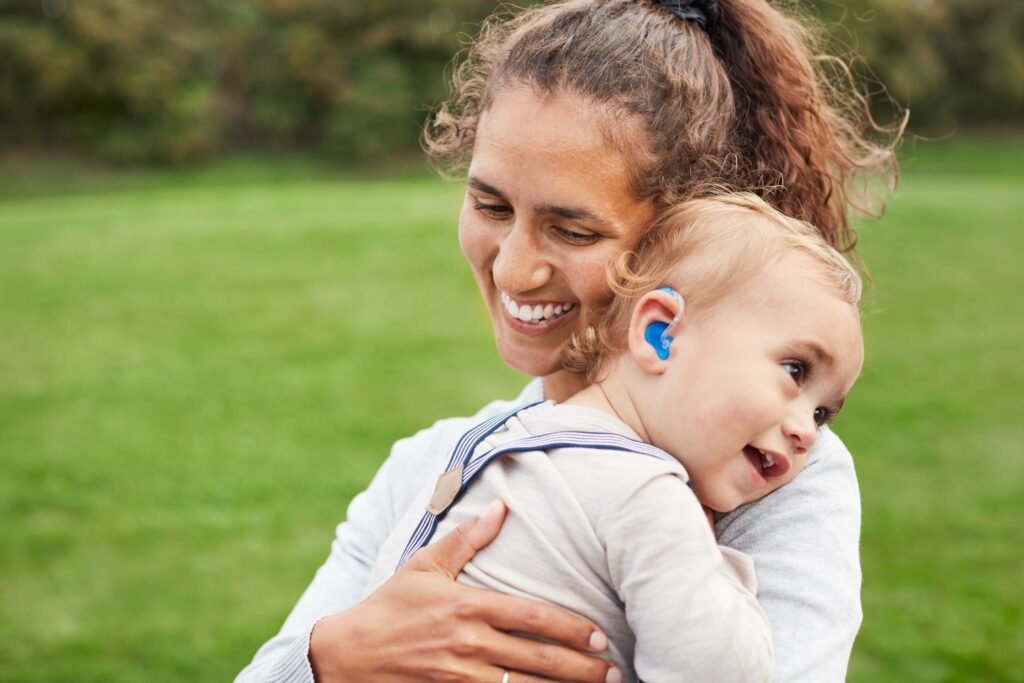

Every child comes to adoption with a unique life story. While many adopted children thrive, some experience challenges with listening, attention, language, or learning that may not be immediately obvious. One possible contributor is Auditory Processing Disorder (APD).
It is important to understand that adoption itself does not cause APD. However, some children who have been adopted may have experienced medical or developmental factors before or shortly after birth that can increase the likelihood of auditory processing difficulties.
Understanding these challenges early can help children receive the right support and succeed both at home and in school.
What Is Auditory Processing Disorder?
Auditory Processing Disorder is a condition in which the ears detect sound normally, but the brain has difficulty interpreting and organizing what is heard.
Children with APD usually have normal hearing on a standard hearing test but may struggle to:
- Understand speech in noisy classrooms
- Follow multi-step verbal instructions
- Remember spoken information
- Tell similar-sounding words apart
- Keep up with classroom discussions
- Learn through listening alone
These difficulties can affect academic performance, confidence, and communication.
Why Might Some Adopted Children Be at Higher Risk?
Not every adopted child has these experiences, but some may have been exposed to factors known to influence brain development and auditory processing.
Possible contributing factors include:
Prenatal Factors
- Premature birth
- Low birth weight
- Prenatal alcohol exposure
- Prenatal drug exposure
- Maternal illness during pregnancy
- Poor prenatal nutrition
Early Childhood Factors
- Recurrent ear infections during infancy
- Untreated hearing problems
- Limited access to healthcare
- Frequent changes in caregivers
- Early institutional care
- Limited language exposure during critical developmental periods
Stress and Trauma
Chronic stress or early adversity can influence attention, memory, executive functioning, and language development. While trauma does not directly cause APD, it can produce symptoms that overlap with auditory processing difficulties, making a comprehensive assessment especially important.
APD, ADHD, and Trauma: They Are Not the Same
Many adopted children who struggle in school are initially suspected of having ADHD or learning difficulties.
Although these conditions can occur together, they are different.
| APD | ADHD | Trauma-Related Difficulties |
|---|---|---|
| Difficulty processing spoken information | Difficulty sustaining attention | Difficulty regulating emotions and attention |
| Problems understanding speech in noise | Easily distracted in all settings | May appear inattentive during stressful situations |
| Frequently asks for repetition | Misses information due to inattention | Listening may vary depending on emotional state |
| Hearing is typically normal | Hearing is typically normal | Hearing is typically normal |
A multidisciplinary evaluation may be needed to determine which factors are contributing to a child’s challenges.
Signs Parents and Teachers May Notice
A child may benefit from an APD assessment if they:
- Frequently say “What?” or “Huh?”
- Seem to hear but not understand
- Perform better in quiet environments
- Struggle with classroom listening
- Misunderstand spoken directions
- Have difficulty following conversations
- Need repeated instructions
- Become mentally fatigued after listening
- Experience reading or spelling difficulties despite normal intelligence
- Have stronger visual learning skills than auditory learning skills
How Is APD Diagnosed?
An APD assessment begins with a comprehensive hearing evaluation to confirm that hearing sensitivity is normal or that any hearing loss has been appropriately addressed.
For children who meet the appropriate age and developmental criteria, specialized auditory processing tests may evaluate:
- Speech understanding in background noise
- Dichotic listening (processing information presented to both ears)
- Temporal processing (timing aspects of sound)
- Auditory discrimination
- Auditory memory and sequencing
Information from parents, teachers, speech-language pathologists, psychologists, and other professionals is often considered to provide a complete picture.
Can APD Be Treated?
Yes. While there is no single cure, many children improve significantly with individualized management.
Treatment may include:
- Auditory training programs
- Classroom accommodations
- Remote microphone (FM/DM) technology when appropriate
- Environmental modifications
- Communication strategies for parents and teachers
- Collaboration with speech-language pathologists, psychologists, occupational therapists, and educators
Early intervention often leads to better academic and social outcomes.
When Should Parents Seek an Assessment?
Consider speaking with an audiologist if your child:
- Has normal hearing but continues to struggle with listening
- Understands much less in noisy environments
- Is falling behind despite appropriate educational support
- Frequently misunderstands spoken instructions
- Has a history of developmental or medical risk factors that may affect auditory processing
Early identification helps families understand the reason behind listening difficulties and allows appropriate support to begin sooner.
Frequently Asked Questions
Does adoption cause APD?
No. Adoption itself does not cause APD. However, some adopted children may have experienced prenatal, medical, or early developmental factors that increase the risk of auditory processing difficulties.
At what age can APD be assessed?
Most comprehensive APD assessments are performed around 7 years of age or older, depending on the child’s development, attention, and language abilities.
Can APD occur together with ADHD?
Yes. APD and ADHD can coexist, and distinguishing between them is an important part of the assessment process.
Will my child outgrow APD?
Some children improve as the auditory system matures, particularly with targeted intervention and appropriate educational support. Others continue to benefit from accommodations and therapy into adolescence or adulthood.
We’re Here to Help
At Novasound Hearing and Balance Center, we provide comprehensive hearing evaluations and Auditory Processing Disorder assessments for children. Our goal is to identify the underlying causes of listening difficulties and provide practical recommendations that help children succeed at home and at school.
If you’re concerned about your child’s listening or learning, we’d be happy to discuss whether an APD assessment is appropriate.