
About Hyperacusis
What is Hyperacusis?
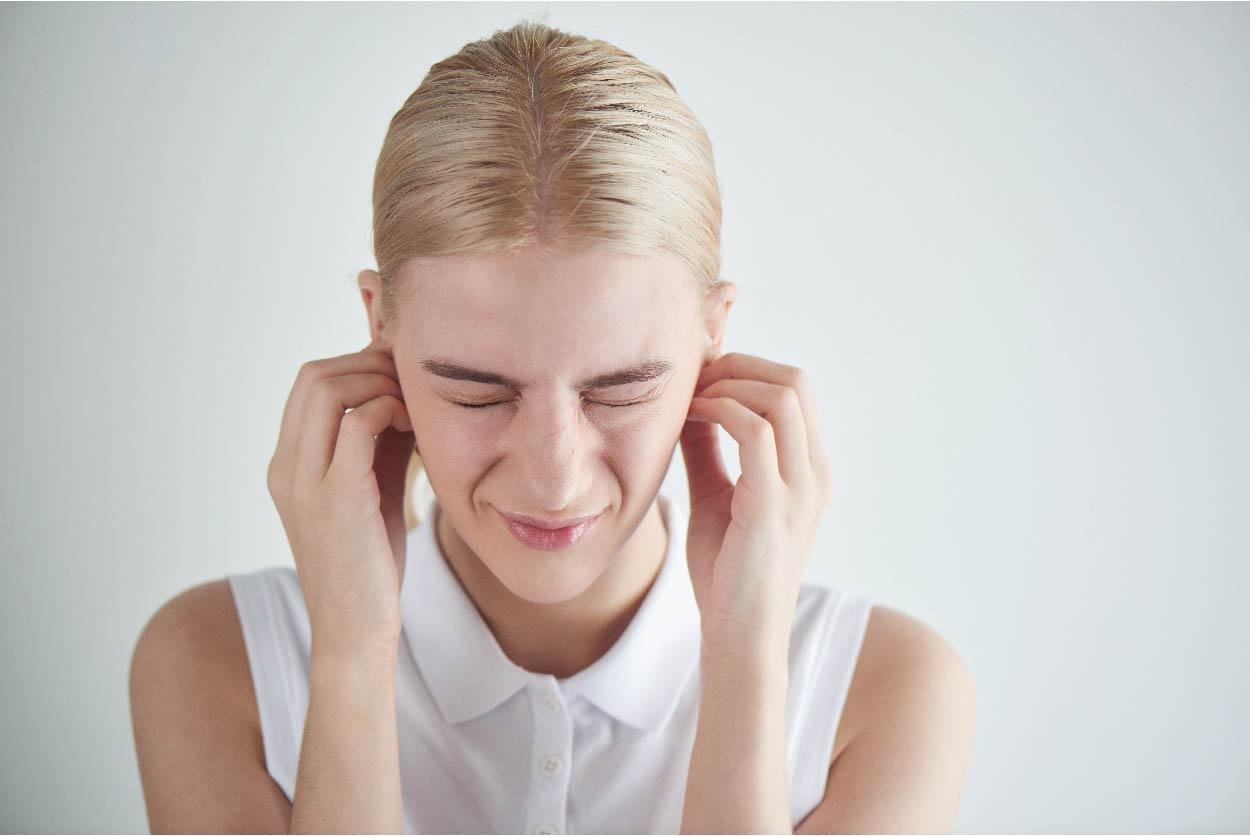
Hyperacusis is a condition where everyday sounds are perceived as too loud, uncomfortable, or even painful, even when they are normal in volume. It is not simply “sensitive hearing”—it reflects how the brain processes sound.
Hyperacusis can affect one or both ears and may vary in severity. It is often associated with tinnitus, sensory processing differences, or nervous system sensitivity, but it can also occur in people with otherwise normal hearing.
What are the Symptoms of Hyperacusis?
The most common symptoms of hyperacusis include:
- Discomfort or pain from everyday sounds
- Discomfort or pain from everyday sounds
- Discomfort or pain from everyday sounds
- Discomfort or pain from everyday sounds
- Needing quiet breaks to recover
- Sensitivity to sudden or sharp sounds
Find Relief from Sound Sensitivity
Hyperacusis can be overwhelming, but you don’t have to manage it alone. Our expert evaluations and personalized treatment plans help reduce sound sensitivity and improve your comfort in everyday environments.
Use the links below to book a consultation and take the first step toward relief.
What Causes Hyperacusis?
Hyperacusis can be caused by various factors, including:
- Exposure to loud noises (e.g., concerts, work environments)
- Concussion or mild traumatic brain injury
- Migraine or neurological conditions
- Stress & anxiety increase sound sensitivity
- Tinnitus
- Sensory processing differences
- Certain medications or medical conditions
Hyperacusis: When Sound Feels Too Loud
Hyperacusis is often related to how the brain and nervous system respond to sound. Instead of filtering sound normally, the brain may amplify it, making everyday sounds feel overwhelming.
This condition can affect concentration, sleep, and overall quality of life. Understanding hyperacusis is the first step toward managing it.
At Novasound Hearing & Balance Center, we take a comprehensive approach to help you gradually rebuild sound tolerance and confidence.
Hyperacusis After Concussion
Hyperacusis is one of the most common sensory symptoms following a concussion. After a head injury, the brain’s ability to regulate sound can be disrupted, causing everyday sounds to feel overwhelming or uncomfortable.
- Increased sensitivity to noise
- Difficulty tolerating busy environments
- Sound-triggered headaches or fatigue
- Reduced ability to focus in noisy settings
This type of sound sensitivity is often part of a broader post-concussion pattern, which may also include dizziness, visual sensitivity, and cognitive fatigue.
At Novasound Hearing & Balance Center, we provide specialized assessment and management for post-concussion sound sensitivity, integrating auditory, vestibular, and sensory approaches to support recovery.
How is Hyperacusis Diagnosed?
Diagnosing hyperacusis typically involves:
- A detailed patient history, including triggers and daily impact
- A hearing test to evaluate any associated hearing loss
- Loudness discomfort level (LDL) testing to assess sound tolerance
- Questionnaires to understand how sound sensitivity affects daily life
- Additional auditory or sensory screening if needed
Our goal is to understand not just your hearing, but how sound affects your daily functioning.
When Should I Seek Help?
If you experience persistent sound sensitivity or if it interferes with your daily life, it is important to seek professional help. Early support can help you develop effective strategies and improve your well-being.

How is Hyperacusis Treated?
Although hyperacusis can be challenging, there are effective treatment options to help manage symptoms:
- Sound Therapy: Using gentle background sound to help retrain the auditory system
- Gradual Sound Exposure: Increasing tolerance to everyday sounds
- Counseling: Helping reduce fear and stress related to sound
- Hearing Devices (when appropriate): Sound generators or hearing aids
- Lifestyle Adjustments: Managing stress, sleep, and post-concussion symptom load
At Novasound Hearing & Balance Center, we offer personalized treatment plans to help you regain comfort and confidence in everyday environments.
How Can Novasound Help?
At Novasound Hearing & Balance Center, we specialize in assessing and managing sound sensitivity. Our services include:
- Comprehensive hyperacusis evaluations
- Individualized sound tolerance programs
- Ongoing support to improve your life
- Integration tinnitus, auditory processing
Myths & Facts about Hyperacusis
Fact: Sound sensitivity is more common than many people think.
Fact: Without proper management, symptoms may persist or worsen.
Fact: Avoidance can increase sensitivity over time.
Fact: Many people with normal hearing experience it.