

Hearing Aid Features 2026: Essential Tips for Better Care
Comparing hearing aid features 2026 can feel complicated when every product promises smarter sound, easier connections and more convenience. Start with the situations you want help with: a conversation at home, a busy restaurant, a work meeting or a phone call. A useful feature is one that suits your assessed hearing needs and makes sense in your daily routine.
This guide explains ten areas to discuss with an audiologist before choosing or upgrading hearing aids. Product names and advertised capabilities do not tell the whole story. Availability varies by model, technology level, software, accessories and market, so confirm the exact Canadian device and configuration being offered. A year on the label does not make every feature universal.
Hearing aid technology for speech processing and AI
Some hearing aids use artificial intelligence or deep neural networks as part of their sound processing. For example, Phonak’s Canadian Audéo Sphere information describes a dedicated processing chip for speech and noise. This is an example of a particular manufacturer’s approach, not proof that all devices process sound in the same way.
When reviewing hearing aid technology, ask what a processing feature is intended to do in the situations you described. Does it change automatically? Is it present at every technology level? Can you compare it during a demonstration? A term such as “AI” should lead to a practical explanation, rather than replace one.
Include the listening experiences that matter to you. If you often speak with someone beside you in a car, tell the clinician. If your priority is music, describe that separately from conversation. Hearing aid technology should be discussed in relation to a goal, with realistic expectations about what amplification can and cannot do.
Ask: “What would I notice with this feature in my own routine, and how will we review whether it helps?” Write down the answer alongside the exact model and technology level so you can compare proposals accurately.

Directional microphones, noise reduction and wind comfort
Directional microphones can emphasize sound from selected directions. Noise-management features aim to make a difficult listening environment more manageable. The NIDCD hearing aids guide explains directional microphones and the importance of selecting an appropriate device. Hearing aids do not restore normal hearing or remove every background sound.
Ask how the proposed hearing aid technology handles a group conversation, someone speaking from the side and a quiet one-to-one exchange. An automatic setting may be convenient, but you should know whether there is a manual option and when the clinician recommends using it. Ask for an explanation in ordinary language.
For outdoor use, discuss wind, hats, glasses and the activities you enjoy. Do not assume a noise-reduction number from one product applies to every hearing aid. If a performance claim matters to your decision, ask which device, test conditions and comparison it refers to.
During a hearing aid trial, record a few representative listening situations. A note about where the speaker was and what background noise was present is more informative than simply rating an entire day as good or bad. Bring that context to follow-up.
Hearing aid features 2026: phone and streaming compatibility
“Bluetooth” does not guarantee that every phone, computer, television and hearing aid will work together in every way. Calling, music streaming, app control and hands-free microphone use are separate functions to check. Compatibility can depend on the exact phone model, operating system, hearing aid and software version.
Bring your own phone to an appointment and ask to demonstrate the functions you use. Make an ordinary call, try the relevant video-call app and check how you answer and end a call. If someone helps you with your phone, ask whether they can attend the demonstration with your agreement.
For computers and televisions, confirm whether direct streaming is supported or whether an accessory is required. Ask whether switching between devices is automatic or manual. Being able to remember several paired devices is not necessarily the same as receiving audio from them simultaneously.
The ReSound information on LE Audio and Auracast illustrates newer connectivity options in compatible products. Use the manufacturer’s current compatibility information for the exact model rather than assuming that one hearing aid technology description covers every product.
Auracast, telecoils and assistive listening options
Auracast broadcast audio is a Bluetooth capability intended to let compatible receivers access audio broadcasts. The Bluetooth SIG Auracast overview describes uses such as public television audio and assistive listening. Access requires suitable equipment at both ends; a venue must provide an appropriate broadcast.
When comparing hearing aid features 2026, distinguish a feature that works today from one described as ready for a future update. Ask whether an update is required, whether there is a confirmed release and how you would use the feature with your phone. Do not base the whole purchase on an unspecified future promise.
Also discuss existing assistive listening systems you actually encounter. If you attend a venue with a hearing loop, ask about telecoil availability in the proposed style. If hearing someone across a meeting table is a priority, ask whether a compatible remote microphone or other accessory is relevant.
List the places you visit rather than assuming that every public location has the newest equipment. Ask the clinic to explain how to identify a compatible system and what steps you would take to connect. Practical training is an important part of using hearing aid technology.
Rechargeable batteries, disposable options and travel charging
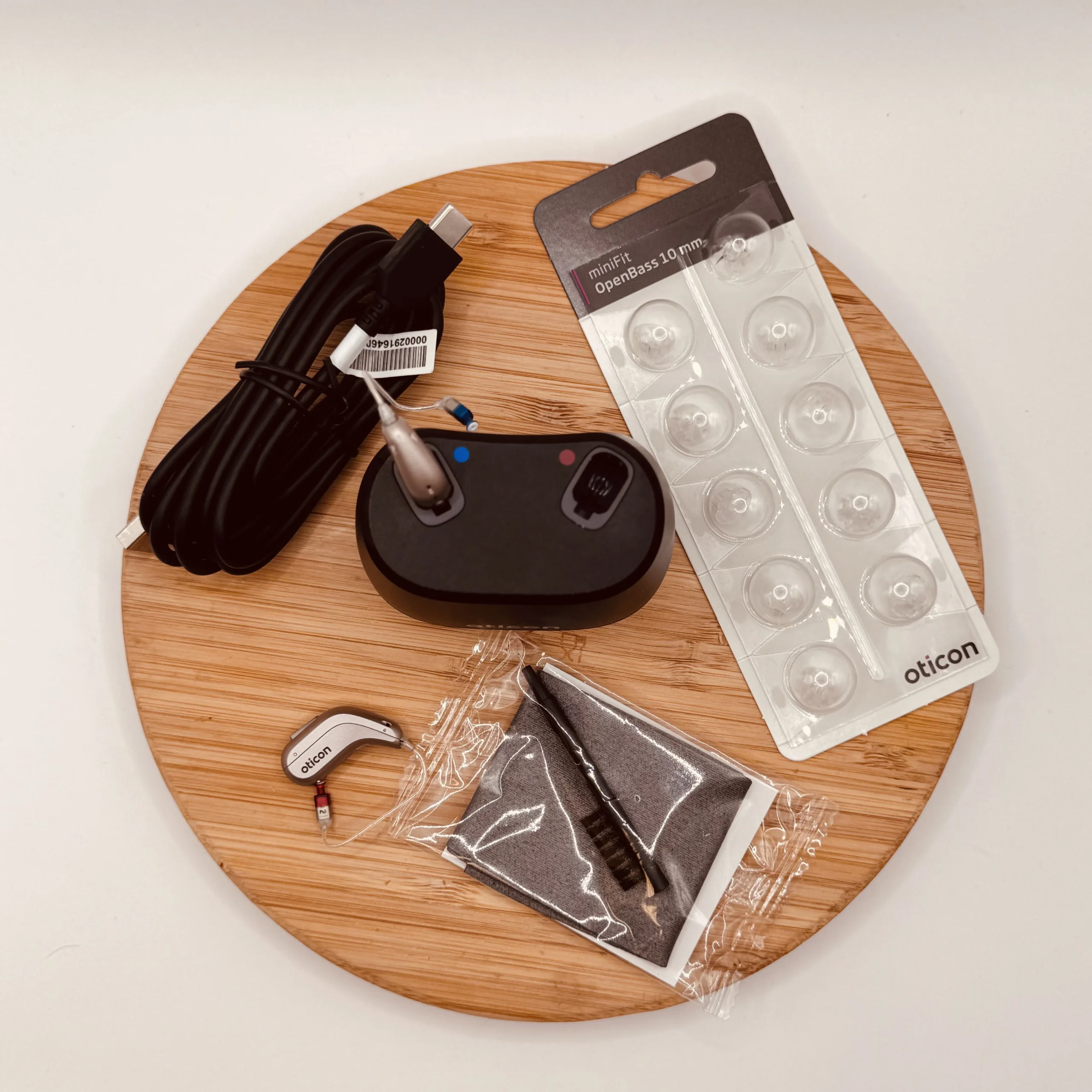
Rechargeability can simplify a daily routine, but battery choice should match your needs. Disposable-battery options remain available in some devices and styles. Ask what is offered for your hearing requirements, how you handle the controls and what happens when you are away from a power supply.
Advertised battery life is conditional. Oticon’s 2026 product information, for example, notes that expected use time depends on use pattern, enabled features, hearing loss, sound environment, battery age and wireless accessories. A maximum advertised figure is not a personal runtime guarantee.
When reviewing hearing aid features 2026, describe how much calling or streaming you do and how long your day lasts. Ask whether the quoted runtime includes that pattern. Compare charging time, charger size, indicator lights and how easily you can place the devices in the charger.
For travel, ask whether the supplied case stores power or must remain plugged in. Confirm the approved power source, replacement charger cost and battery-service arrangements. The Phonak batteries and chargers page shows why the exact charger and battery system need to be identified.

Physical fit, comfort and easy handling
Hearing aid technology needs a physical design you can use comfortably. Ask to handle the proposed style and discuss glasses, masks, hair, hats and the shape of your ear. Device size alone does not establish suitability. Compare the features of the actual style being offered rather than assuming every style has the same options.
Try inserting and removing the device with guidance. Check whether you can identify left and right, operate the buttons and understand the charging indicators. If fine movements or vision are difficult, explain that early. An accessible routine is a practical selection criterion, not a minor detail to leave until after purchase.
During a hearing aid trial, report pressure, soreness, loose fit or problems with your own voice. Ask which experiences require a fitting review and how to contact the clinic. You should not assume that discomfort must simply be tolerated to benefit from the device.
Our hearing aid brands and styles page provides related information for a discussion with Novasound. Ask the audiologist to connect the style recommendation with your hearing results, ear examination, handling needs and preferences.
Apps, controls and remote support
An app may provide volume adjustment, program selection, battery information or access to supported services. The available controls vary. Ask which functions require a phone and which remain available on the hearing aid itself. If you prefer a simple routine, explain that rather than choosing hearing aid technology mainly by the length of its app menu.
Remote support is also product- and service-dependent. Ask whether the clinic offers it for the proposed device, what an appointment involves and which issues still require an in-person visit. Do not assume that every adjustment, repair or hearing concern can be resolved through an app.
Before deciding, practise finding the controls you need. Ask what happens after a phone replacement or software update, and whom to contact for pairing problems. If another person helps with the app, agree on what support you want and review any permissions or data-sharing choices together.
For hearing aid features 2026, convenience includes being able to recover from an ordinary problem. Request a short written guide for reconnecting the device, checking power and reaching support. A demonstration you can repeat is more useful than a feature you have only watched someone else operate.
Moisture resistance, cleaning and long-term maintenance
Check the manufacturer’s instructions for the exact model before exposing it to water. A water-resistance or IP rating has defined conditions and should not be read as permission for unlimited swimming, showering or any other activity. Ask what the device instructions and warranty say about the activities you plan to do.
For life in Halifax, discuss rain, perspiration, outdoor work and storage. Ask whether the device needs a drying routine and which products are approved. Keep chargers and accessories in mind too: their handling requirements may differ from the hearing aids themselves.
Ask for a demonstration of cleaning, changing consumable parts and recognizing when a component needs attention. Identify which tasks you can do at home and which the clinic should handle. Our hearing aid cleaning service is a related resource for discussing support.
When comparing hearing aid technology, include ownership costs as well as headline features. Ask about wax filters, domes, receivers, drying supplies and repair arrangements where relevant. Find out whether a loan device is available during service and whether there are conditions or charges. Confirm the details directly rather than assuming they are included.
Optional wellness tracking and tinnitus programs
Some products include additional sensors or wellness functions. Starkey’s fall-alert information describes a model-specific function that can notify selected contacts. That does not establish that every hearing aid detects falls, measures heart rate or replaces an emergency-response plan.
If an alert feature matters, ask what phone connection, permissions, setup and contact response it requires. Review its limitations in the current instructions. Discuss who will receive an alert and whether that person has agreed to the role. Treat wellness functions as a separate decision from the hearing aid’s suitability for your hearing needs.
Some hearing aid technology also provides optional sounds for tinnitus management. Widex’s Canadian tinnitus information describes sound-based options and individualized management. A tinnitus sound program is not a cure guarantee or a reason to overlook assessment of new symptoms.
When discussing hearing aid features 2026, tell the clinician whether tinnitus is one of your concerns. Ask whether the proposed feature fits the management plan and how you would use it. Do not choose a device simply because it has an optional program you have not discussed or tried.
Fitting, a hearing aid trial and follow-up care
The device is one part of the decision. Ask how it will be fitted to your assessed hearing needs, how the fitting will be checked and when follow-up takes place. Our hearing aid programming page introduces a related service. Product specifications cannot describe the entire care process.
A hearing aid trial should have clear terms. Ask for the duration, start date, return or exchange process, any non-refundable charges and what happens if more appointments are needed. Read the written agreement before making a commitment. Do not assume that the same trial conditions apply at every clinic or to every device.
Plan a few ordinary situations to discuss during your hearing aid trial: conversation at home, a familiar phone call and a setting with background sound. Record the context, what was easier and what remained difficult. Bring those notes to follow-up so the discussion can focus on specific needs.
Visit the Novasound hearing aid trial page and confirm current terms with the clinic. For costs and payment questions, see pricing and payment information. Ask what the quoted price includes, which accessories are separate and how future support is charged.
Hearing aid features 2026 comparison checklist
Use this checklist during a hearing aid trial or consultation. Fill it in for each exact model rather than comparing a premium demonstration with an unspecified lower-cost configuration.
| Area | What to confirm |
|---|---|
| Listening | Your priority situations and how benefit will be reviewed. |
| Connectivity | Your phone, operating system, calls, streaming and accessories. |
| Power | Expected use with your routine and the supplied charger. |
| Handling | Insertion, controls, comfort and cleaning tasks. |
| Ownership | Written price, trial terms, warranty and follow-up arrangements. |
Frequently asked questions about hearing aid features 2026
Which hearing aid technology is best for everyone?
There is no single feature list that fits every person. Start with your assessment, daily listening priorities, handling needs and budget. Ask for a clear explanation of why the proposed combination suits you.
Do all new hearing aids support Auracast?
No. Confirm support for the exact device and any required software or accessories. You also need a compatible broadcast or source to use the relevant function.
Does rechargeable mean the same battery life in every model?
No. Discuss your wearing time, streaming use and charging routine. Ask how the manufacturer’s conditions relate to the runtime being quoted.
Can a hearing aid trial help me compare options?
It can provide an opportunity to discuss experience in your own routine under the agreed terms. Keep brief notes and arrange follow-up before making assumptions about a feature’s value.
How can I discuss hearing aid features 2026 in Halifax?
Contact Novasound with your questions and bring your phone, previous hearing results and main listening goals. Confirm appointment availability and ask which assessment is appropriate before selecting a device.
Ready to take the next step?
Book Appointment
#22, 2625 Joseph Howe Drive, Halifax, NS
Phone: 902-444-7788