
Quick & Easy Online Hearing Test
Online Hearing Test
Assess your hearing from the comfort of your home with our simple online screening. Get instant insights and take the first step toward better hearing.
About Services
Take the first step toward better hearing from the comfort of your home. Our online hearing test is a quick and easy tool to screen your hearing and identify potential concerns.
Benefits of the Online Hearing Test:
- Convenient and accessible: Take the test anytime, anywhere.
- Quick results: Get your results instantly.
- A first step toward professional evaluation: If your results indicate a potential hearing loss, we encourage you to schedule a comprehensive hearing evaluation with one of our audiologists.
Our specialists will guide you through every step of the ear wax removal.
0%
47% of Canadians Experience Hearing Loss
Did you know that an estimated 47% of Canadians aged 40 to 79 have some degree of hearing loss? (Source: Statistics Canada, 2012-2015).
Frequently Asked Questions About Online Hearing Test
Curious about what to expect during a online hearing test? Our FAQ section answers common questions about the process, benefits, and next steps to help you better understand your hearing health.
What's the difference between a conventional hearing test and an online hearing test?
An online hearing test is a quick screening tool you can take at home to get an initial idea of your hearing health. A conventional hearing test is a more comprehensive evaluation performed by an audiologist in our clinic, using specialized equipment to accurately measure your hearing abilities and identify any underlying issues.
What should I expect during a conventional hearing test?
You’ll be seated in a sound-treated booth wearing headphones. The audiologist will present different tones and speech at various volumes, and you’ll indicate when you can hear them. They may also perform tests to check your middle ear function.
Why is it important to have my hearing tested by an audiologist?
Audiologists are trained professionals who can accurately diagnose hearing loss, identify its causes, and recommend the most appropriate solutions for your individual needs. They can also provide counseling and support to help you adjust to hearing loss and manage its impact on your life.
How often should I have my hearing tested?
The frequency of hearing tests depends on your age and risk factors. Adults with no known hearing problems should have a baseline test around age 50, and then follow-up tests as recommended by their audiologist. Those with existing hearing loss or risk factors may need more frequent evaluations.
What can I do if my hearing test shows I have hearing loss?
Your audiologist will discuss the results with you and recommend appropriate solutions, which may include hearing aids, assistive listening devices, or other management strategies. They’ll also provide guidance and support to help you adjust to hearing loss and maximize your communication abilities.
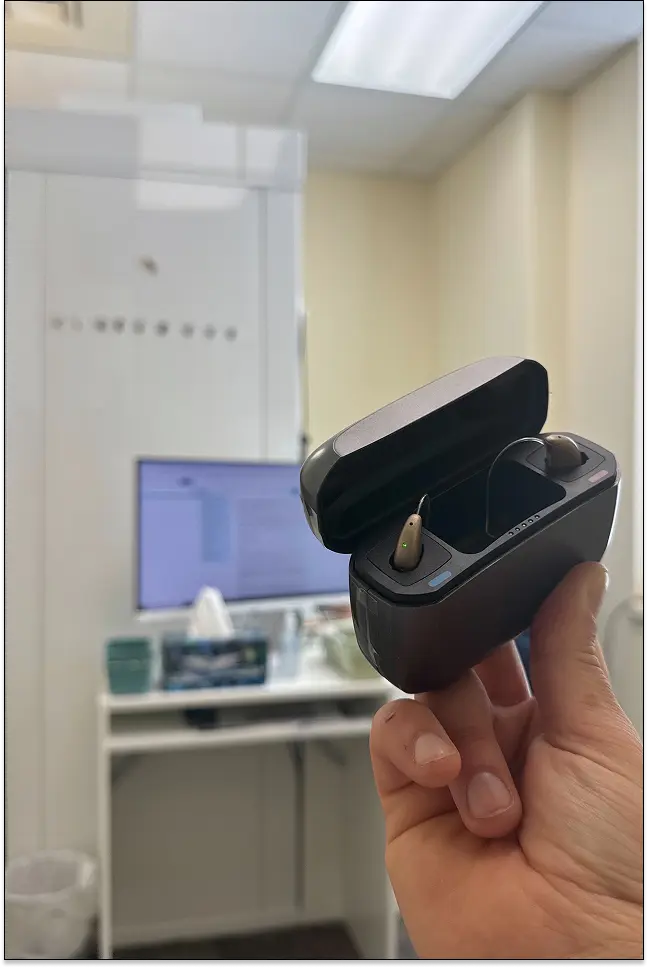
How the Online Hearing Test Works
Our online hearing test is designed to give you a quick and easy understanding of your hearing health. In just a few minutes, you can complete a simple audio-based screening from the comfort of your home.
- Step 1: Prepare Your Device Use headphones or earphones in a quiet environment for accurate results.
- Step 2: Listen to Sounds You’ll hear a series of tones at different frequencies and volumes.
- Step 3: Respond to What You Hear Indicate when you can hear the sound to measure your hearing ability.
- Step 4: Get Instant Results Receive immediate insights into your hearing condition.