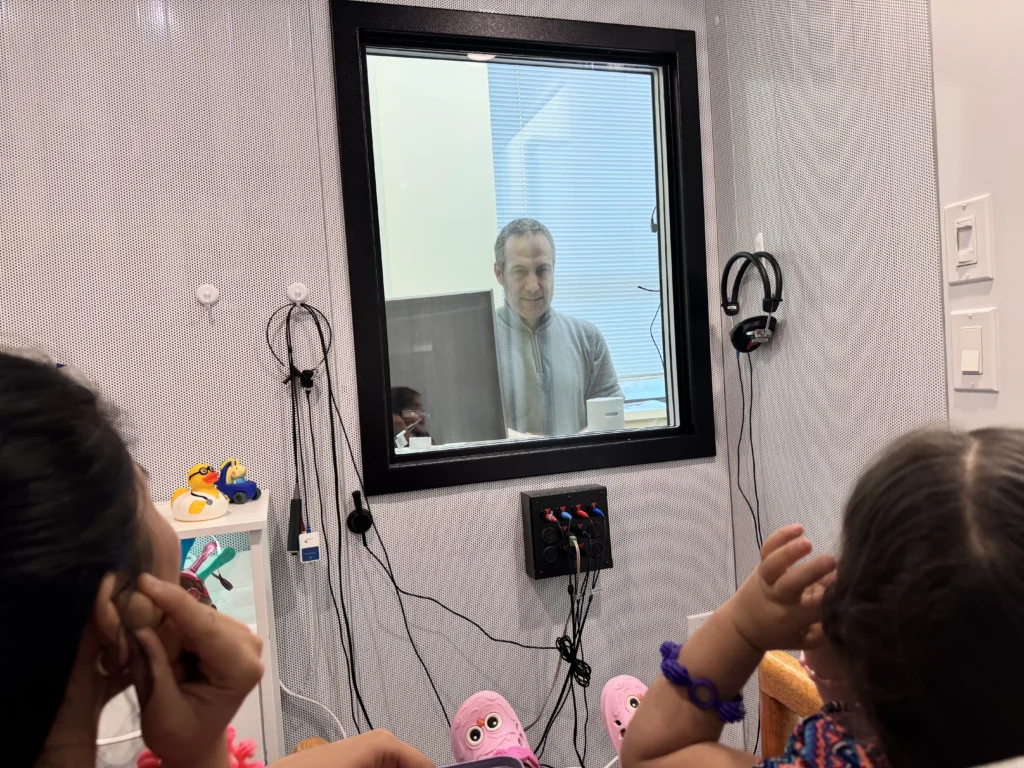
Helping Little Ears Make Big Connections!
Auditory Processing Disorder Halifax
Auditory Processing Disorder Halifax
What is Auditory Processing Disorder (APD)?
Auditory Processing Disorder (APD) is a condition where the brain has difficulty understanding and interpreting sounds, even though the ears may function normally. Children with APD can hear sounds but often struggle to process or make sense of them. This can affect their ability to follow instructions, understand conversations, or focus in noisy environments.
Auditory Processing Disorder Halifax, Nova Scotia. Novasound Hearing & Balance provides expert diagnosis and personalized treatment to help children and adults improve listening and learning.
What are the Symptoms of APD?
Children with APD might:
- Have trouble following multi-step directions.
- Misunderstand spoken words, especially in noisy places.
- Frequently ask for repetition (“What?” or “Can you say that again?”).
- Struggle with reading, spelling, or learning new words.
- Seem inattentive or distracted during conversations.
Adults with APD following concussion might:
- Have increased difficulty understanding speech, especially in background noise.
- Feel easily overwhelmed in noisy or crowded environments.
- Experience trouble focusing on conversations or instructions.
- Frequently ask for repetition or clarification.
- Report listening fatigue and difficulty processing auditory information.
What Causes APD?
- Premature birth or low birth weight.
- Recurrent ear infections in early childhood.
- Family history of learning or processing difficulties.
- Traumatic brain injuries or concussion resulting in auditory processing challenges.
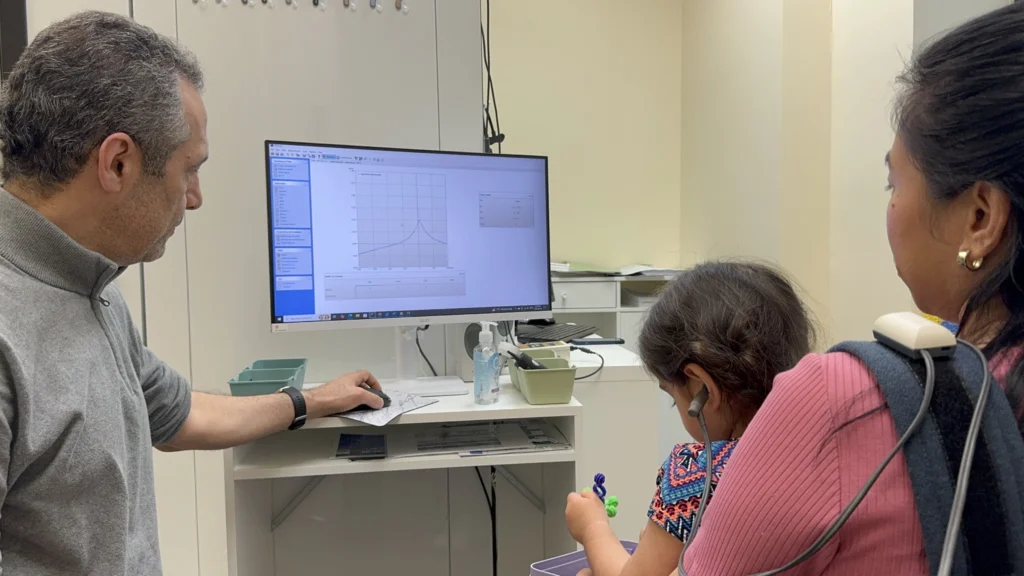
How is APD Diagnosed?
APD diagnosis requires specialized audiologist-led tests to assess sound processing in various environments. At Novasound Audiology Clinic, we provide comprehensive evaluations for accurate identification and diagnosis.
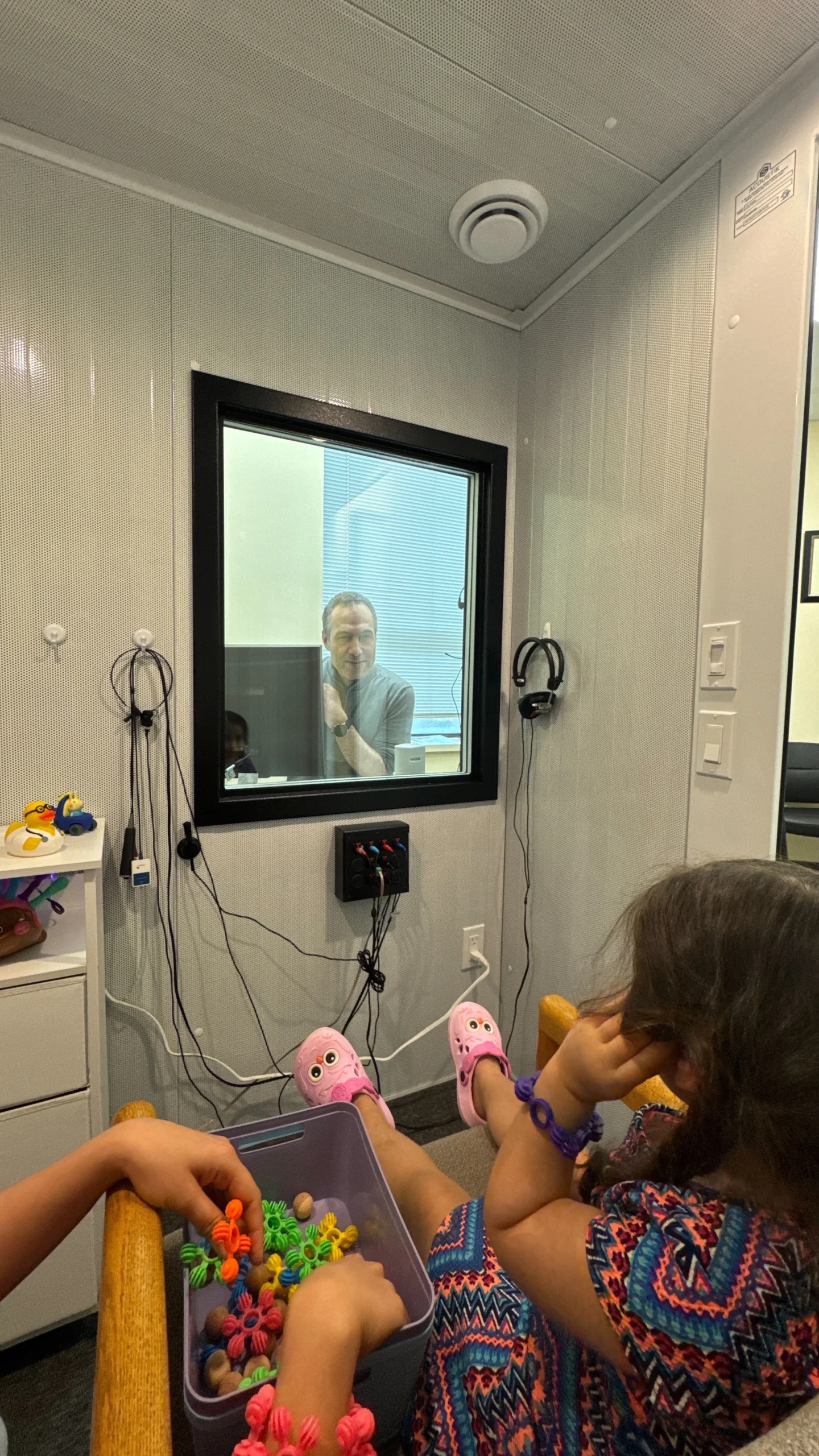
How is APD Treated?
- Speech Therapy: To enhance communication and comprehension skills.
- Classroom Accommodations: Such as preferential seating or assistive listening devices.
- Auditory Training Programs: To strengthen listening and sound discrimination abilities.
- Comprehensive auditory processing evaluations.
- Individualized auditory training programs.
- Support and guidance for parents and teachers to promote success at home and school.