
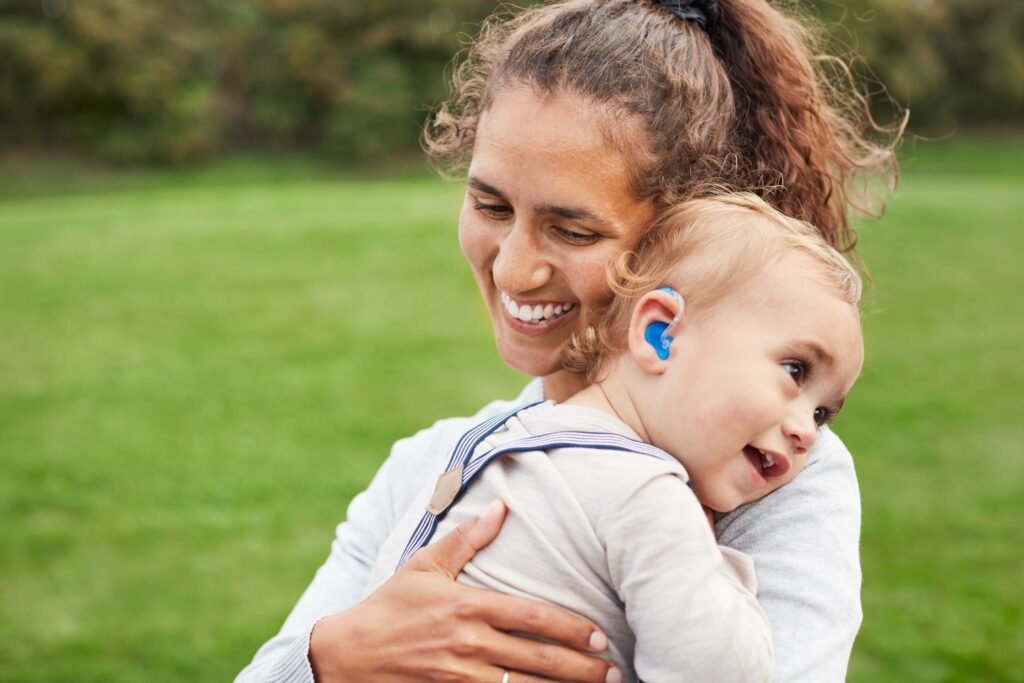
Auditory Processing Disorder (APD) is a condition that affects how the brain interprets sounds, making it difficult for children to process verbal information effectively.
While APD is not a hearing loss, it can significantly impact a child’s ability to succeed in school, interact socially, and develop strong communication skills.
Understanding APD in Children
Children with APD may struggle to distinguish between similar sounds, follow multi-step directions, or comprehend spoken language in noisy environments. This can lead to frustration, academic difficulties, and misdiagnoses of other learning disorders such as ADHD or dyslexia. Early identification and intervention are crucial to ensuring children receive the support they need.
Signs of APD in School-Aged Children
- Difficulty following verbal instructions
- Frequently asking for repetition (“What?” or “Huh?”)
- Trouble distinguishing similar-sounding words
- Struggles with reading and spelling
- Poor listening skills in noisy environments
- Easily distracted by background noise
- Slow response time when asked a question
Impact on Learning and Academic Performance
APD can make it challenging for children to learn effectively in traditional classroom settings. Since much of school instruction is auditory, children with APD may have difficulty understanding lectures, following discussions, or remembering verbal information. This can result in lower academic performance, frustration, and reduced confidence in their abilities.

Interventions and Support Strategies
While APD cannot be cured, there are effective strategies to help children manage their auditory challenges and improve their learning experiences. Some key interventions include:
1. Classroom Accommodations
- Preferential seating to reduce background noise
- Visual aids and written instructions to reinforce verbal content
- Allowing extra time for comprehension and responses
- Using an FM system or an assistive listening device to amplify the teacher’s voice
2. Auditory Training Programs
- Computer-based programs are designed to enhance auditory discrimination and processing skills
- Speech therapy to strengthen listening and comprehension abilities
- Activities that encourage phonemic awareness and sound differentiation
3. Home Support Strategies
- Reducing background noise during homework or study sessions
- Speaking slowly and clearly with visual cues
- Encouraging active listening techniques, such as repeating instructions or summarizing spoken information
How an Audiologist Can Help
An audiologist plays a vital role in diagnosing and managing APD. Comprehensive auditory processing evaluations help identify specific challenges and guide personalized treatment plans. At Novasound Hearing & Balance Center, we specialize in APD assessments and provide tailored recommendations to support children in their academic journey.
Helping Children with APD Thrive
With the right support, children with APD can develop strong listening and learning skills, enabling them to succeed in school and daily life. If you suspect your child has auditory processing difficulties, early evaluation and intervention are key. Contact Novasound Hearing & Balance Center to schedule an assessment and explore personalized strategies for your child’s needs.
