
Can’t Hear in Crowds After a Concussion? You’re Not Imagining It.
Why Your Hearing Test Looks Normal, but Listening Feels Impossible
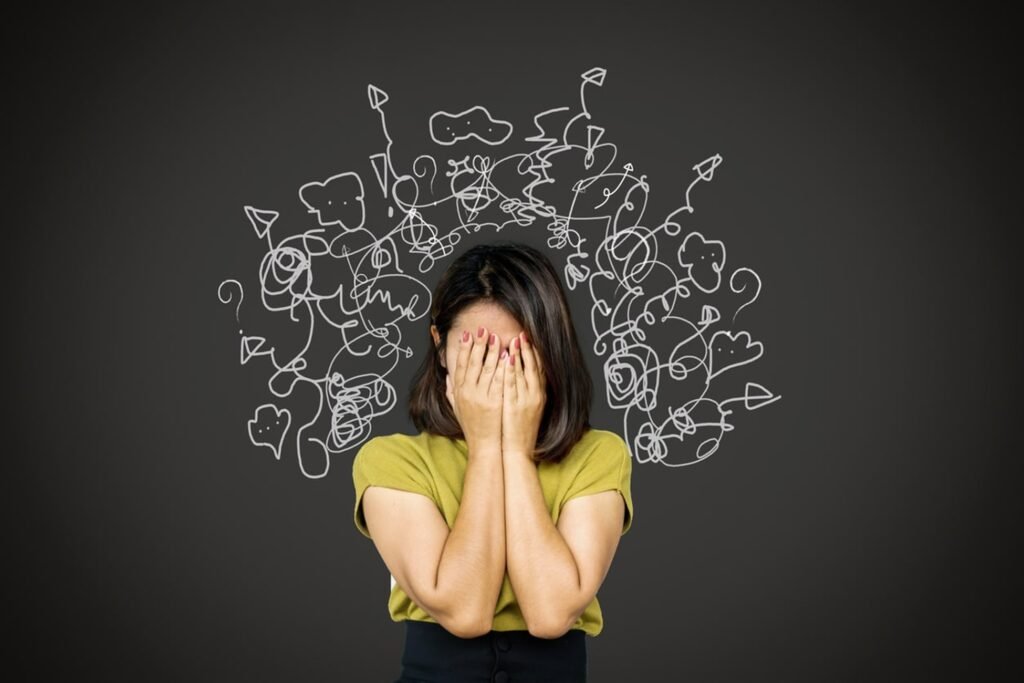
Introduction: The Frustrating Puzzle of Post-Concussion Hearing
Imagine this: you’re sitting in a busy school cafeteria trying to catch up with a friend. Before your concussion, this was effortless. Now, the clatter of trays, a dozen conversations, scraping chairs, and background hum all blend into a wall of overwhelming sound.
Your friend is speaking, but their words seem to vanish before reaching your brain. You smile, nod, and pretend to follow—but inside, you feel lost, dizzy, and completely drained from the effort of simply trying to listen.
This same experience can happen in a grocery store, at a family dinner, or during a one-on-one conversation unless the room is perfectly quiet.
The confusing part?
You visit an audiologist, get a standard hearing test, and hear:
“Your hearing is perfectly normal.”
Yet nothing feels normal.
If this sounds familiar, you’re not imagining it. Research suggests that over half of people with a concussion develop some degree of auditory processing difficulty. And it has nothing to do with how well your ears detect sound.
It’s about how your brain processes it.
The ‘Hardware vs. Software’ Problem:
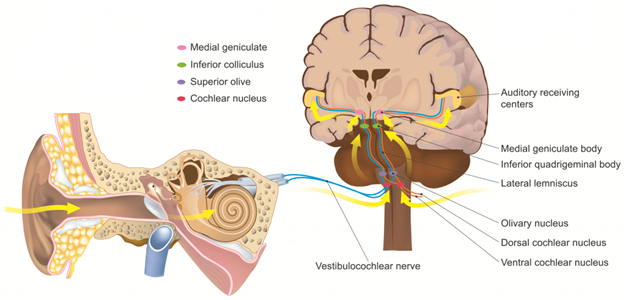
How the Auditory System Really Works
Think of your auditory system like a computer.
- Your ears are the hardware.
- Your brain is the software that interprets sound.
Your Ears: Hardware That Works Perfectly Fine
A standard hearing test checks the hardware.
It measures whether you can detect tones at different volumes and pitches.
Most post-concussion patients—like the 41-year-old woman in our case example—show:
- Normal thresholds
- Normal middle-ear function
- Perfect speech recognition in quiet
Meaning the hardware is working flawlessly.
Your Brain: The Software That’s Glitching
This is where the breakdown happens.
After a concussion, the brain struggles with:
- Processing complex sounds
- Filtering out background noise
- Following conversations
- Distinguishing speech from competing noise
- Keeping up with fast talkers
Everything your ears detect must be decoded by your brain.
If the software is damaged, listening becomes exhausting—even if the hearing test looks perfect.
This mismatch is called acquired auditory processing disorder (APD).
How a Concussion Disrupts the Brain’s Sound System
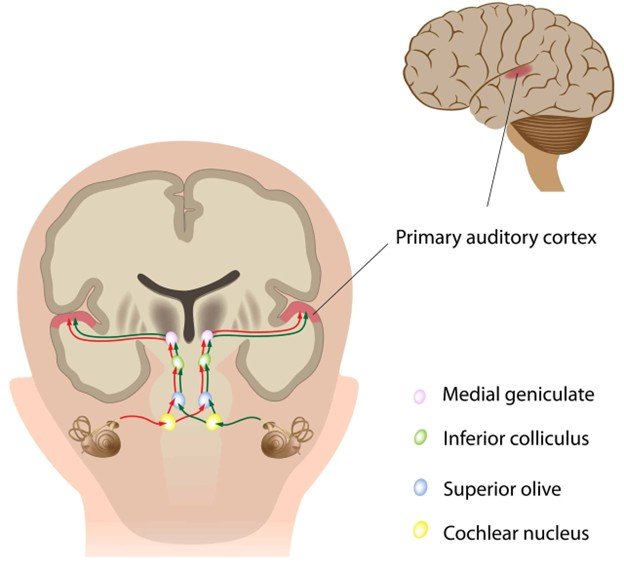
Even a mild concussion can affect the intricate neural pathways responsible for auditory processing.
Functional MRI research shows two major changes:
- Lower Activation in the Auditory Cortex
Your brain’s hearing centers operate with reduced power, meaning your brain must work harder to understand speech.
- Weakened Neural Connectivity
The “communication highways” between the left and right auditory regions are less coordinated.
These neurological changes are:
- Real
- Measurable
- Common after concussion
- Not detectable on X-rays, CT scans, or standard MRI
In other words:
The injury heals physically, but brain processing remains disrupted.
“I Can Hear, But I Can’t Understand”:
Signs of Acquired APD
This condition causes difficulties that revolve around one theme:
You can hear everything… but you cannot understand what matters.
Common Symptoms
- Difficulty following conversations in noise
- Feeling overwhelmed in busy spaces (restaurants, classrooms, stores)
- Trouble with accents or fast talkers
- “Missing pieces” of conversations
- Easily distracted by small background sounds
- Forgetting verbal information quickly
- Turning the TV louder but still lacking clarity
- Reduced ability to multitask while listening
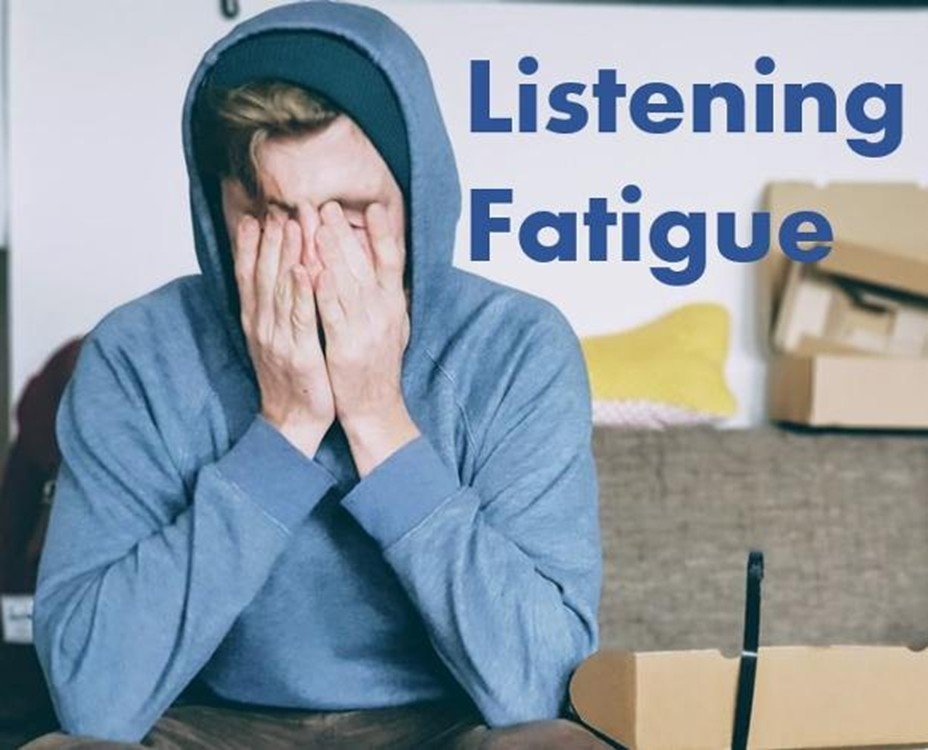
- Increased listening fatigue after minutes of effort
Patients often describe:
“It feels like all the sounds hit me at once, and I can’t separate any of them.”
“My brain shuts down before the conversation is even over.”
This mental exhaustion is called auditory-cognitive fatigue, and it’s one of the strongest indicators of post-concussion APD.
Getting Answers and Retraining Your Brain
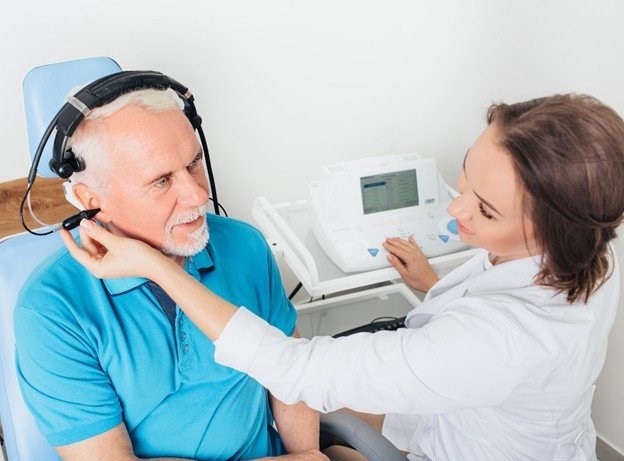
A standard hearing test cannot diagnose acquired APD.
To understand the problem, you need a comprehensive auditory processing assessment—a series of advanced tests that mimic real-life listening demands:
- Speech-in-noise
- Dichotic listening
- Temporal resolution
- Competing speech
- Auditory memory and sequencing
- Processing speed tasks
Once identified, the next step is auditory training, a form of brain rehabilitation.
Auditory Training: Rebuilding the Brain’s Listening Networks
Evidence-based auditory training:
- Strengthens neural synchrony
- Improves speech clarity
- Reduces listening fatigue
- Enhances processing speed
- Improves communication in noise
Research shows these gains persist months after therapy ends.
If you’ve been struggling since your concussion, there is a path forward.
You’re Not Imagining It—And You’re Not Alone
Post-concussion listening difficulties are real, measurable, and treatable.
You aren’t “overreacting,” and it’s not “in your head” in the emotional sense.
Your ears may be fine, but your brain is working overtime.
Getting a proper evaluation can finally give you the answers—and relief—you’ve been searching for.
Call to Action: Take the First Step Toward Clarity
If you find yourself avoiding noisy places, struggling to keep up with conversations, or feeling mentally exhausted from listening, it may be time for a specialized post-concussion auditory evaluation.
At Novasound Hearing & Balance Center, we provide:
- Comprehensive auditory processing assessments
- Advanced vestibular testing
- Post-concussion listening rehabilitation
- Evidence-based auditory training
- Support for adults, teens, and children
- A collaborative care approach
You don’t need to continue struggling in silence.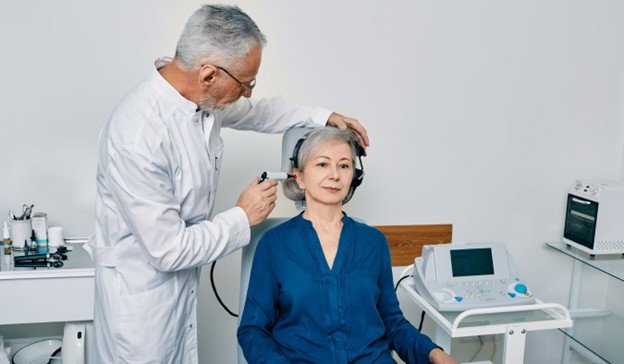
Book an Appointment Today
Novasound Hearing & Balance Center
Halifax, Nova Scotia
Phone: 902-444-7788
Email: info@novasound.ca
Website: www.novasound.ca
We are the first and only private clinic in Atlantic Canada providing integrated hearing, balance, APD, and post-concussion auditory rehabilitation.
You deserve to hear clearly again—
and your brain deserves the chance to recover.